
You may be able to get away with winging a regular Disney trip, but for an autism Disney World trip, planning is a must.
This Disney World autism guide is here to help. We’ve covered everything you’ll need to plan a smoother, less stressful trip for your family.
I’ve now taken my autistic child to Disney World three times. The first two trips, when she was 7 and 9, were with my now ex-husband. My mom came with us on the first trip, so we had extra help. The second was a larger family trip with my siblings and their families, which also gave us extra support.
Our most recent trip was different. I went alone as a single mom with just my two kids. That trip took a lot more planning because I was handling everything on my own. But by then, we had experience, and Brie (who was 17 at the time) knew what to expect. We’ve traveled enough over the years that she can now handle trips like this much better, and I’ve learned a lot about what helps make a vacation more successful for an autistic child.
One thing I’ve learned is that being realistic about what your child can handle is just as important as planning your itinerary. On our last trip, I thought Brie would be able to handle longer park days now that she was older. But I was wrong. An open-to-close day was still too much for her.
If you’ve just started planning, we have more posts to help, including the Best Disney Resorts For Autism and Resort Hopping with an Autistic Child and Autism Travel Tips I also recommend reading my Disney DAS Pass Guide and our post on what to pack in your child’s Travel Sensory Kit to help parks feel less overwhelming. Plus, you can find more Disney planning posts on my sister site Mamas on Vacation, including my post on the Best Gluten Free Restaurants at Disney World.
In this guide, I’ll share the planning tips and strategies that have helped make Disney World with an autistic child go more smoothly for our family, along with the mistakes I learned the hard way. Whether this is your first Disney trip or your fifth, this guide will help you plan a more enjoyable vacation for your whole family.

- Is Disney World Autism Friendly?
- Where to Start: Practice Trips/Activities
- When to Go: Best Times of Year to Visit Disney World with Autism
- How to Structure Your Trip: Ideal Length and Pacing for Autism
- Preparing Your Child for Disney World
- Disney World Autism Pass: Understanding the DAS Program
- Where to Stay: Best Resorts for Autism at Disney
- Transportation Tips for Autism at Disney
- Packing Essentials
- Flight Risk: Safety Tips for Runners and Wanderers
- Strollers and Wheelchairs for Autism at Disney
- Rope Dropping: Making the Most of Park Openings
- Rides and Sensory Guide
- Calmer Attractions
- Dining with Autism at Disney
- Character Experiences: Parks & Dining
- Shows, Parades & Fireworks
- Special Events
- Where to Take Breaks
- Companion Restrooms and Accessibility
- Planning Your Day
- Have an Exit Plan
- Managing Your Own Expectations
Is Disney World Autism Friendly?
Yes, Disney World is very autism friendly. But it does take planning, learning what Disney World autism accommodations are available, and sometimes simply asking for what your child needs.
Disney offers several accommodations that can make the parks more accessible and enjoyable for families doing Disney World with an autistic child. Some of the accommodations that may help include:
- Rider Switch (so adults can take turns riding attractions younger kids can’t go on)
- Companion washrooms, including some with adult-sized changing tables
- Gluten free and dairy free meals and treats at both quick-service and table-service restaurants
- Relief areas for service dogs
- The Disability Access Service (DAS) program, which allows guests who can’t wait in a traditional line to wait elsewhere until it’s their turn to ride
You can view Disney’s full Accessibility Guide here.
Our Experience
On our trips, I found that cast members were usually very understanding when we needed accommodations to help Brie. We only ran into one issue on our last trip, and all it took was asking for help.
After a long park day, we were waiting in the bus line when a nearby child started crying. Brie can handle much more noise now than she could when she was younger, but crying children are still one of her biggest triggers. She started getting overwhelmed, so Zen and I quickly pulled her noise reducing earmuffs out of her sensory kit.
When the bus arrived, two guests using wheelchairs needed to board first, which we completely understood. But the other child was still crying, and Brie was getting close to reaching her limit. I explained the situation to the cast member at the stop and asked if we could board early so we could head straight to the back of the bus. He immediately said, “Absolutely,” spoke with the driver, and helped us board before the situation escalated.
Sometimes, all it takes is asking.
Where to Start: Practice Trips/Activities
If you’re thinking an autism Disney World trip would make a great first family vacation, it won’t.
With the amount of money and planning involved, Disney World is not the place to find out that your child can’t tolerate sleeping in a hotel or being in an amusement park environment. Before you spend thousands on a trip, do some practice runs so you can better understand your child’s needs, triggers, and tolerance levels.
Start small with local outings. They can give you a much better idea of how your child may respond to different parts of the Disney experience.
- Ride a city bus or subway to see how they tolerate public transportation (important since Disney buses, monorails, and Skyliner can all be overstimulating).
- Visit a local amusement park or fair to see how they handle rides, crowds, noise, and waiting in lines (even short ones).
- Go to a movie theatre or school play to help you decide if it will be worth planning for any of the Disney live shows.
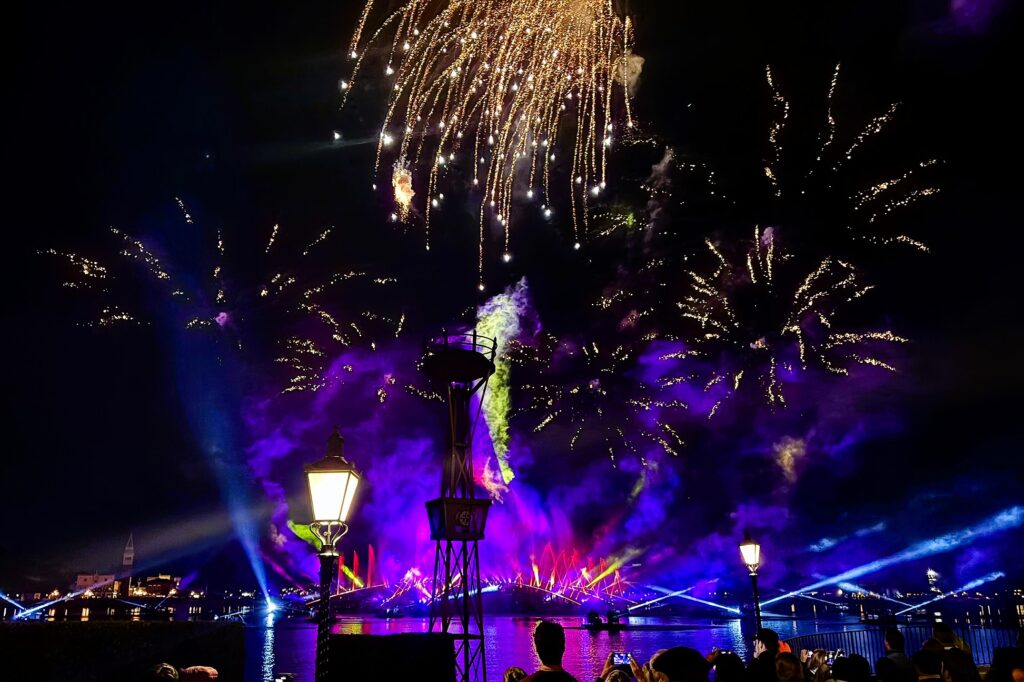
- Watch Fourth of July or Canada Day fireworks to get figure out if staying for Happily Ever After or Luminous will work for your child.
- Stay one night in a hotel, even in your own city, to see how your child handles sleeping in a different space and dealing with changes to their routine.
If those smaller outings go well, a shorter trip somewhere like Great Wolf Lodge or another waterpark resort can be a great next step. It gives you the chance to try a more Disney-like experience at a much lower cost.
These practice trips can help you figure out your child’s sensory needs, tolerance limits, and coping strategies before you’re in the middle of the Disney chaos. For more help planning trips with an autistic child, check out my Autism Travel Tips post.
When to Go: Best Times of Year to Visit Disney World with Autism
When taking an autistic child to Disney World, timing is everything. Not only do you want to avoid peak crowd levels—like Christmas and spring break—but you also need to think about weather and other potential disruptions.
Florida summers can be unbearable for anyone, but the heat, humidity, and storm risks can be especially difficult for a child with sensory sensitivities.
Then, there is hurricane season.
On our second trip with Brie, we were caught in Hurricane Mathew, which shut the parks down for a day. Thankfully, we had rented a house that trip, so we had enough space to make it an enjoyable rest day. Had we been stuck in a single hotel room, it would’ve been a lot harder.
One way to figure out the least crowded times is by checking Disney’s resort pricing. Their lowest hotel rates tend to align with their lowest crowd levels. In 2025, for example, the best times to visit Disney World with autism based on pricing include:
- Early January through early February (avoid Marathon Week)
- The first two weeks of February (skip Presidents Day weekend)
- Early April
- Most of May
- Most of August through early September (excluding Labor Day week)
- Most of September and October
- Early November (before the peak holiday rush and after the Mickey’s Not-So-Scary Halloween Party crowds)
If you want more detail, I highly recommend checking the WDW Prep School crowd calendars for specific dates in 2025 and 2026.
Planning your trip around low crowd levels and milder weather makes a huge difference when you’re navigating Disney World with autism.
How to Structure Your Trip: Ideal Length and Pacing for Autism
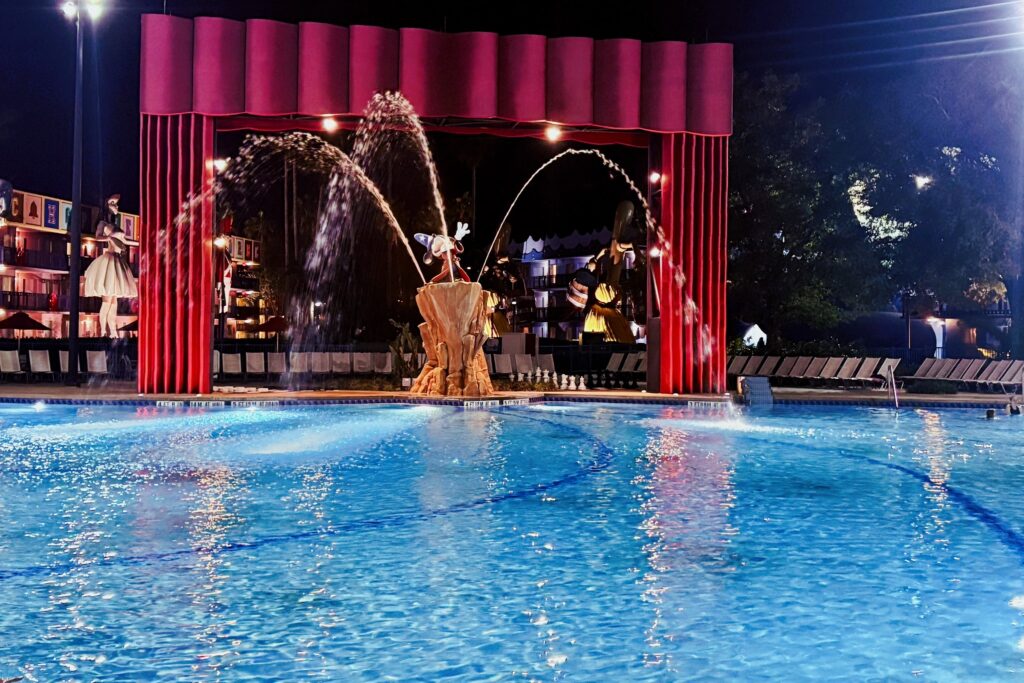
It’s tempting to pack your schedule and try to get the most value out of your Disney vacation. But for an autism Disney World trip, four back-to-back park days usually do not work well.
I’m naturally a maximizer. I always want to fit in as much as possible. But over the years, I’ve learned that this approach does not work for Brie. Like many autistic children, she needs a lot of downtime to recharge.
On our first Disney trip, we planned a non-park day at the Nickelodeon Resort (now the Holiday Inn Resort Orlando Suites – Waterpark, but still one of my top recommendations for where to stay near Disney with autism). I pictured us spending the day enjoying all the resort activities. Instead, Brie chose to stay in the room and relax on her Nintendo 3DS. Looking back, she clearly needed the quiet downtime more than extra stimulation
Only you know what your child can realistically handle. But if you plan to visit all four Disney parks, I strongly recommend building in at least one rest day. Not only does this give your child time to decompress, but it also gives them time to process everything they’ve experienced.
For Disney World with an autistic child, my ideal itinerary is a 7-night trip. In my experience, Animal Kingdom is the easiest park to pair back-to-back with another because it closes earlier. That gives your child extra time to relax in the evening before the next park day. For the other parks, I’ve found that full rest days in between work much better.
Ideal Itinerary
Here’s a schedule that works great for balancing activity and downtime:
- Day 1: Travel day + free waterpark day
- Day 2: Animal Kingdom + relaxing pool time
- Day 3: Magic Kingdom, EPCOT, or Hollywood Studios
- Day 4: Resort day + Disney Springs
- Day 5: Magic Kingdom, EPCOT, or Hollywood Studios
- Day 6: Resort day + character dining
- Day 7: Magic Kingdom, EPCOT, or Hollywood Studios
- Day 8: Pool morning, pack up, then travel home
This kind of pacing gives your child more time to recharge between park days, making the trip more manageable and enjoyable for the whole family.
Preparing Your Child for Disney World
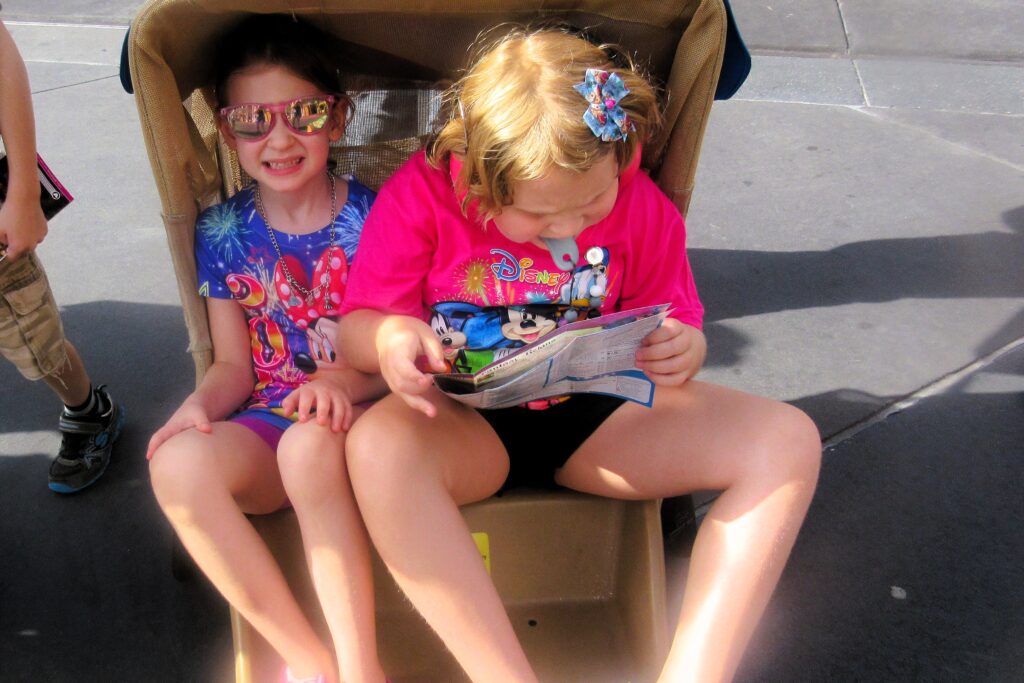
Knowing what to expect can help reduce anxiety for everyone. These are my go-to strategies to prepare Brie for a trip:
- Watch YouTube video walkthroughs of the parks.
- Watch POV ride videos.
- Watch videos of our resort (here’s all the Value, Moderate, and Deluxe Resorts).
- Bring a visual schedule to help with routine changes (you can download a free template from Disney Dream Co and add additional visuals using Canva)
For our first trip, Brie and I did a virtual walkthrough of Magic Kingdom using Google Maps Street View (now very outdated), so we could both get familiar with navigating the park. We also watched ride videos together ahead of time.
On our most recent trip, I put together a playlist of videos for her with park walkthroughs and POVs for every ride. I also gave the kids charts so they could check off which rides they wanted to do and which ones they weren’t interested in. This helped me when I planned our park itineraries.
Disney World Autism Pass: Understanding the DAS Program

The Disability Access Service (DAS) is one of the most helpful accommodations Disney offers for guests with autism and other cognitive disabilities. For many families, doing Disney World with autism wouldn’t feel possible without it.
Instead of waiting in a physical line, you use the My Disney Experience app to book a return time that matches the current standby wait. While you wait, you can take a break, grab a snack, or explore a quieter area of the park. This can make it much easier to avoid overstimulation and reduce anxiety from long waits.
To register for DAS, you have to complete a live video chat with a Disney cast member before your trip. If you want more details on how to apply, how it works, and how to plan your day around it, I have a full guide here: Disney DAS Program: A Complete Guide.
For guests who don’t meet the Disney World autism pass eligibility criteria, Disney also offers an alternative called Attraction Queue Re-Entry/Attraction Queue Meet-Up. This allows the guest with a disability (and one support person) to wait outside the line while the rest of the group waits in the queue. When your group is near the front, they can text or call you so you can rejoin them.
If your budget allows, you can also consider purchasing Lightning Lane’s or the more expensive Lightning Lane Premier Pass . While these aren’t disability-specific accommodations, they can help reduce waiting time and lower overall stress during your park days.
Where to Stay: Best Resorts for Autism at Disney
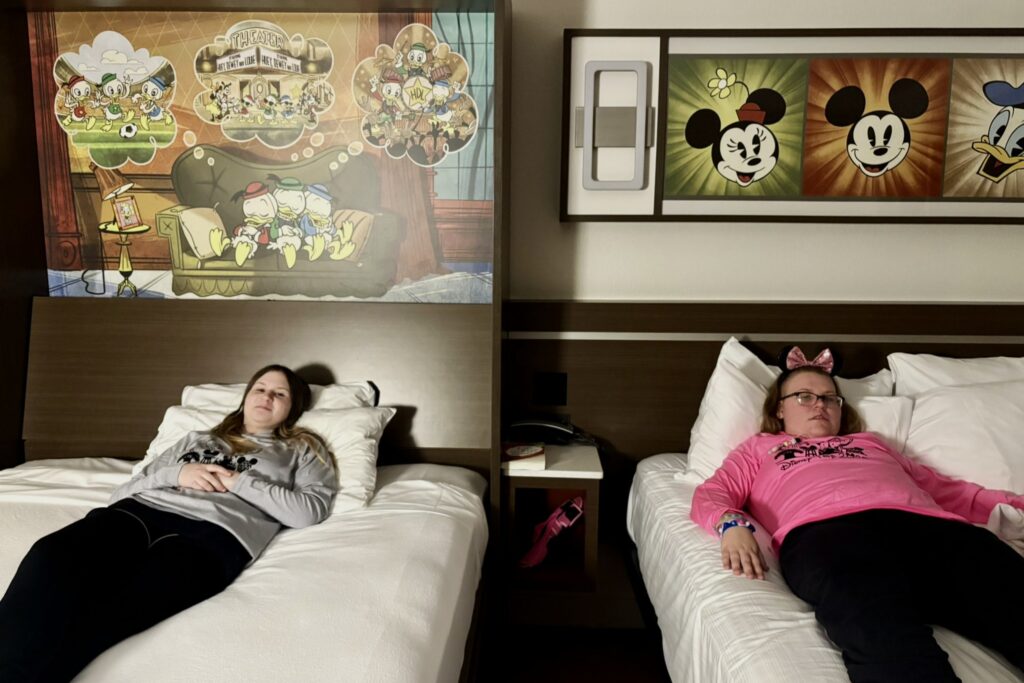
Choosing the right place to stay is important for any trip with an autistic child. With over 25 Disney-owned resorts, there’s no shortage of choices. Each one has a different atmosphere, layout, and sensory experience.
There are fun, brightly themed Value Resorts like Art of Animation, laid-back Moderate Resorts like Port Orleans French Quarter, and elegant Deluxe Resorts like the Grand Floridian. Some can feel a bit overstimulating, while others offer calmer environments that may work better for kids or teens who need a quiet place to decompress.
On our last trip, we spent three full days resort hopping. While we were at each resort, I took notes on how well each location would work for autistic children. I looked at everything from the pools and hidden gems to overall sensory-friendly design. There’s a lot you only notice once you’re actually there.
For a more detailed look at resort options so you can decide what fits your family best, check out my posts: The Best Disney Resorts for Autism and the Top 5 Autism-Friendly Places to Stay Near Disney.
The Secret to Cheap Disney Deluxe Rooms!
With David’s Vacation Club Rentals, you get all the Disney Deluxe perks for a fraction of the price, leaving enough in your budget to extend your stay (& add an extra park day!)
Based on September 2026 (weekday) pricing:
- As low as $168/night at Animal Kingdom Lodge and $384/ night at Grand Floridian.
- Stay a week at Polynesian for around $3,000 less than booking direct.
- Save from $240 to $500/night across resorts.
Check out this Quick Guide on how it works + a comparison chart showing savings at each resort.

Transportation Tips for Autism at Disney
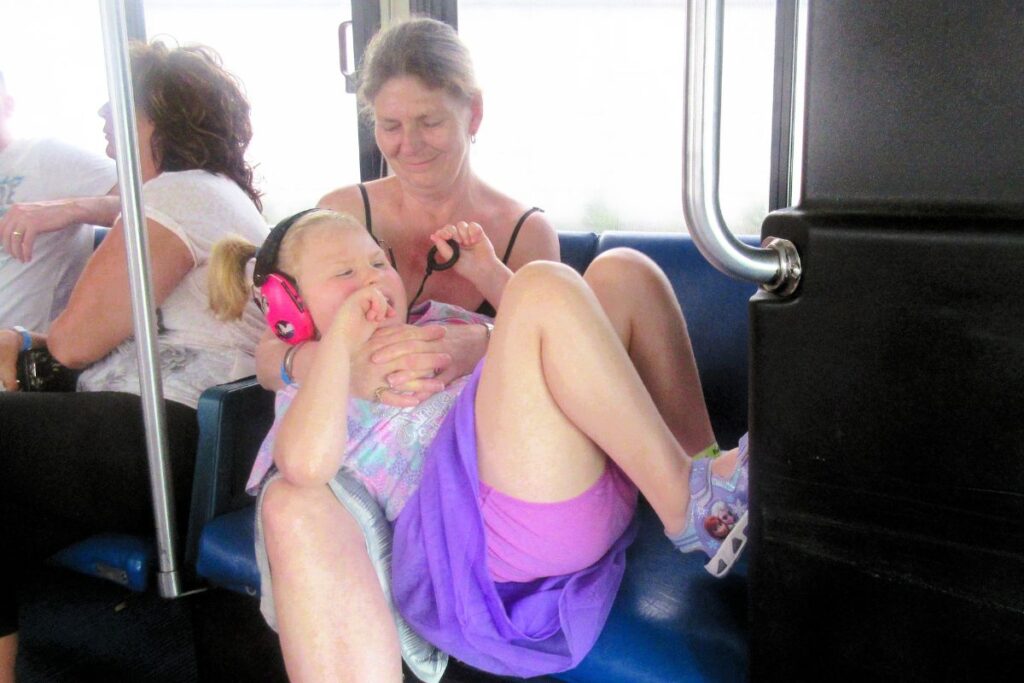
One of the perks of staying at a Disney Resort is access to complimentary transportation. While some off-site hotels also offer shuttles, they don’t come close to Disney’s network of buses, monorails, boats, and the Skyliner.
Buses usually arrive every 20 minutes. And options like the monorail or Skyliner can be a fun way to travel between resorts and parks.
That said, Disney transportation isn’t always ideal for every child. Here are a few things to keep in mind:
- Buses can be crowded. While they’re convenient, they fill up quickly, and you and your child may need to stand if you’re not near the front of the line.
- Strollers usually need to be folded. This applies to buses and most boats. Strollers can stay open on the Skyliner (if they fit within 30″ x 48″) and on the monorail when space allows.
- Noise can be overwhelming. Between crowds, engines, and general chaos, the sensory input can be too much for some kids.
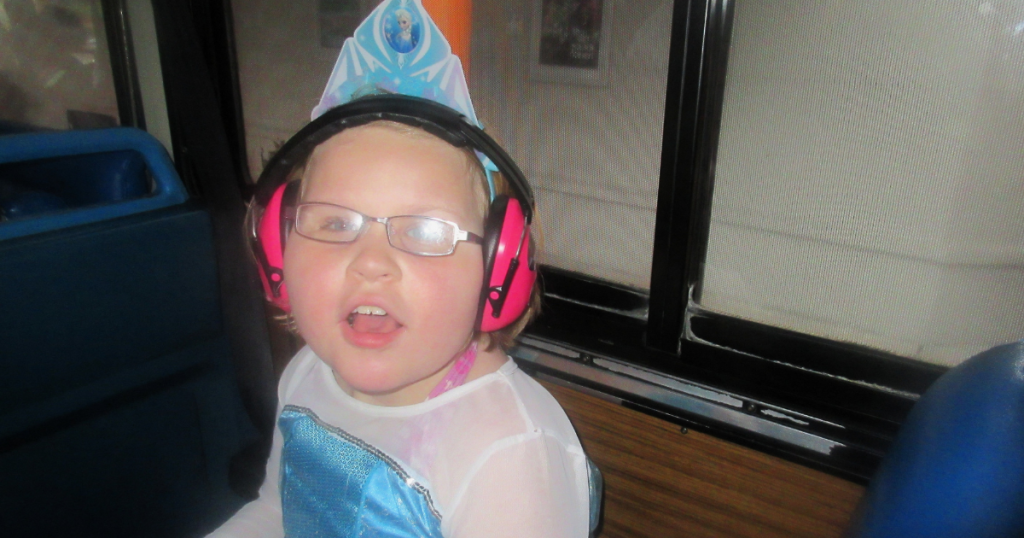
On our first trip, Brie had her first meltdown while we were trying to board the shuttle. Even with her noise reducing earmuffs on, the sound of the bus was too much. She refused to get on and threw herself to the ground in her Elsa dress. I ended up carrying her onto the bus, and once she realized it was quieter inside, she was fine from that point on.
Alternatives to Disney Transportation
If loud noise, crowds, or long waits are likely to be a challenge for your child, here are a few alternatives:
- Uber or Lyft: This can save time and is usually fairly affordable, often between $5 and $15 per ride. Orlando does offer Uber vehicles with car seats, but they are limited and may take longer to arrive.
- Renting a car: If your child struggles with crowds, waiting, or noise, this may be your best option. Parking is free at Disney Resorts for guests and at Disney Springs, but expect to pay around $30 per day for park parking.
Packing Essentials
Packing for a Disney autism trip involves more than just choosing the right outfits. You’ll likely need more than most families to help your child handle both busy park days and downtime at the resort successfully.
You’ll need a few additional sensory and safety items for a child/teen with autism. We have some great recommendations in our Sensory Kit post. The Inside Out 2 Loungefly backpack Brie uses for hers is the perfect size to fit everything she needs, and as a bonus she can use it to show me what emotion she’s feeling when she’s too overwhelmed to communicate.
What to Pack for a Child or Teen with Autism at Disney:
- AirTag, Tile, or Smart Tag
- Soundproof earmuffs or Loop earplugs
- Glow sticks or wearable lights so you can keep track of your child more easily at night
- iPad, tablet, or an old phone with games and comfort apps
- Portable charger
- Small travel games or activity kits
- Busy boards
- Fidget toys and stress balls
- Chewelry
- Extra clothes and aWet Bag (especially if your child dislikes being wet)
- Pop-it bracelets or sensory keychains
- Child safety harnesses, wrist leash, waist leash or belt/crossbody bag
Another item that may help some families is an insulated cooler backpack. Disney allows outside food, so if your child has food intolerances, allergies, or aversions, this lets you bring their safe foods with you (Disney is very allergy-friendly though, check out my Gluten-Free Dining at Disney post for more details). We’ve had an insulated backpack for years but recently upgraded to a cooler/stool combo bag, which gives Brie a seat to use for breaks too.
Flight Risk: Safety Tips for Runners and Wanderers
Disney parks are massive and crowded. Honestly, there are few places worse to lose your child. Even if your child has never wandered before, elopement and bolting are common in autistic children, especially in overstimulating environments like Disney World. It’s always better to plan ahead and take extra safety precautions.
Safety Items to Help Prevent Wandering:
- Child safety harnesses, wrist leash, waist leash: A wearable safety harness or leash can help keep your child close in busy areas like fireworks crowds, parades, or park entrances, where it’s easy to get briefly distracted.
- belt/crossbody bag or handsfree dog leash: For older children, teens, or autistic adults, having them wear a crossbody bag gives you something easy to hold onto in crowded areas. Another option is using two hands-free dog leash fanny packs to create a more discreet connection between you and your child.
- Take a photo of your child every morning: Disney days can blur together fast. If your child ever gets separated from you, having a recent photo makes it much easier to tell Cast Members or emergency personnel exactly what they’re wearing.
Our Experience
Brie outgrew toddler harnesses long before she outgrew the need for them, so I used to loop a dog leash around her waist and clip it to my belt buckle. Thankfully, there are much better options now, including larger child harnesses and hands-free dog leashes.
On our last trip, Brie wore a crossbody bag, which gave me something easy to hold onto in crowds. Zen wore a dog leash fanny pack, so we had a tether we could clip onto Brie’s bag when needed. Brie also wore an AirTag necklace every time we left the resort. Even Zen had an AirTag tucked into her fanny pack, just in case.
Strollers and Wheelchairs for Autism at Disney
Bringing or renting a stroller or wheelchair is one of my top tips for visiting Disney World with autism, whether you’re traveling with a child, teen, or autistic adult. Even if your child has outgrown using a stroller at home, bring one if they still fit comfortably, or rent one at the parks. Disney days involve far more walking than most kids are used to.
For older kids, teens, and adults with autism, a wheelchair can help with both physical and sensory exhaustion. It gives them a comfortable place to sit, regroup, and focus on calming strategies when the parks start to feel overwhelming.
Here’s how strollers and wheelchairs can help make the experience more manageable:
- Reduces physical fatigue: Disney isn’t just physically exhausting, it’s mentally exhausting too. The crowds, noise, and stimulation can quickly become overwhelming. A stroller or wheelchair removes the added strain of the physical exhaustion, making it easier for your child to handle all the other stumlation.
- Helps prevent sensory overload: In a stroller or wheelchair, your child doesn’t need to focus on where navigating through crowds. Instead, they can focus on calming activities like fidget toys or sensory tools. With a stroller, pulling down the sunshade can also create a helpful visual break from the crowds around them.
- Makes Ride Queues More Manageable: Wheelchairs and strollers with a Stroller as Wheelchair tag can be used in attraction queues. This can make waiting much more comfortable for overstimulated kids or teens. Even with DAS, your child may still need that extra support by the end of a long park day.
- Guaranteed seating for parades and fireworks: Having a stroller or wheelchair means your child always has somewhere to sit during crowded nighttime shows and parades, which can make those experiences more manageable.
- Easy snack breaks: You’ll always have a comfortable place for your child to sit when they need a quick snack or sensory break.
- Storage space for your gear: Strollers usually have baskets, but wheelchairs can carry gear too. You can hang backpacks, popcorn buckets, or shopping bags from the handles with stroller hooks instead of carrying everything yourself all day.
If you don’t want to bring your own stroller, you can rent one (as well as wheelchairs) directly from Disney. There are also third-party rental companies that offer more comfortable strollers, which may be a better option if you want to use them outside the parks too.
On our first two trips, we rented a stroller for Brie, even though she was starting to get a little big for it. On our last trip, when she was 17, I knew she would struggle without one, so I rented a wheelchair at the parks instead. It made a huge difference. In the mornings, she was usually fine parking the chair while we went on rides. But by the afternoon, when the crowds and sensory overload started catching up to her, she stayed in it while we waited in line. It made those harder parts of the day much more manageable for her.
Rope Dropping: Making the Most of Park Openings
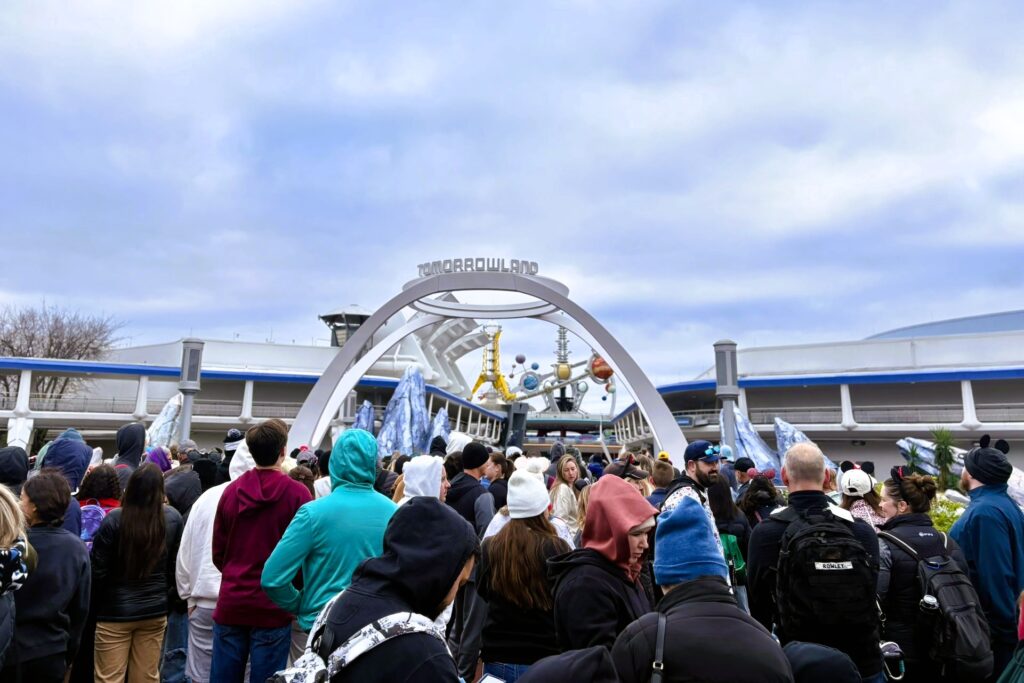
“Rope drop” at Disney refers to arriving at the parks right at opening. It’s a popular strategy for guests trying to maximize their day. Guests staying at Disney Resorts also get early access for some attractions, starting about 30 minutes before the official park opening. This gives you the chance to ride some of the more popular attractions before long lines start building.
If your child is naturally an early riser, rope dropping makes sense. If you’re already awake early anyway, you might as well take advantage of lower crowds and shorter waits. It’s especially helpful if you plan to take a midday break or leave the parks earlier in the evening.
If you do decide to rope drop, though, be realistic about how long your child can handle staying in the parks. Some Disney guests rope drop and stay until closing time, but that’s usually not realistic for families doing Disney with an autistic child.
On our last trip, we rope dropped three of the parks. But even as a teenager, Brie still struggled with long park days. At EPCOT, she was done halfway through the fireworks show. At Magic Kingdom, she wanted to leave right before the fireworks started, but since they began while we were heading out, she decided to stay and watch. At Hollywood Studios, she was done by 7 p.m. and had no interest in staying for Fantasmic!
If you use DAS, rope dropping may not seem, necessary since you won’t be physically standing in long lines most of the day. But if your family is already up early, there are still benefits to getting to the parks before the biggest crowds arrive. For more details about using DAS with rope drop strategies, check out my DAS Guide.
Rides and Sensory Guide
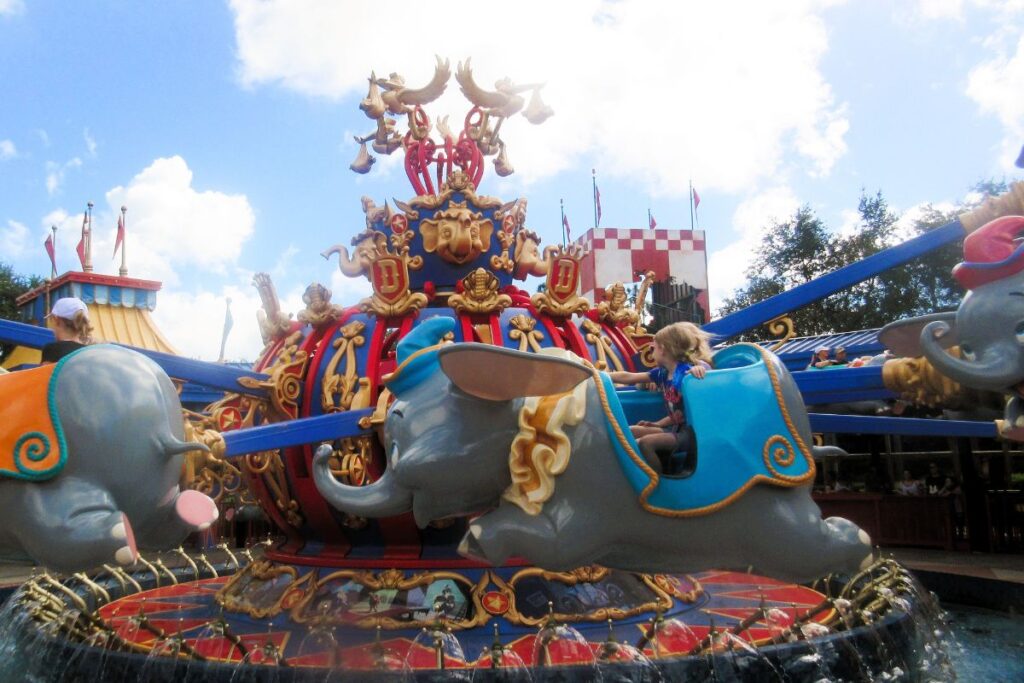
When planning Disney World for an autistic child, it helps to know what to expect on rides. Some children, like Brie, enjoy nearly all attractions. Others may be sensitive to certain sensory elements and need to skip some rides.
Disney rides go beyond typical amusement park attractions. They’re fully immersive experiences. To create that level of immersion, Disney uses a variety of effects that engage multiple senses. While watching ride POV videos can help you get a general idea, Disney also offers a detailed Sensory Experience Guide for Guests with Disabilities.
This guide breaks down 11 sensory elements found in attractions, including:
Scents/Smells
- Lighting Effects
- Loud Noises
- Periods of Darkness
- Bumpy
- Fast
- Lifts Off Ground
- Wet
- Element of Surprise
- Type of Restraint
- length of the experience
Calmer Attractions
To help you plan how to pace your day, I’ve put together lists of calmer, less intense attractions in each park. These are good spots to use as breaks between the more stimulating rides. I’m talking about things like walking trails with no line, live shows or films, slower-paced rides, and a few unique attractions.
These more relaxing options can give your child a chance to recharge without needing to leave the park or take a full break from everything.
Animal Kingdom
Oasis
- Oasis Exhibits (trail)
Discovery Island
- Discovery Island Trails (trail)
- Zootopia: Better Zoogether!
- Awakening Tree of Life light show (show)
- Winged encounters (show)
Dino Land USA
- Finding Nemo: The Big Blue… and Beyond! (show)
Asia
- Maharajah Jungle Trek (trail)
- Feathered Friends in Flight! (show)
Africa
- Kilimanjaro Safaris (bus tour)
- Gorilla Falls Exploration Trail (trail)
- Wildlife Express Train (train ride)
- Conservation station (exhibit)
- Jumping Junction (exhibit)
- Festival of the Lion King (show)
Pandora
- Valley of Mo’ara (trail)
- Na’vi River Journey (boat ride)
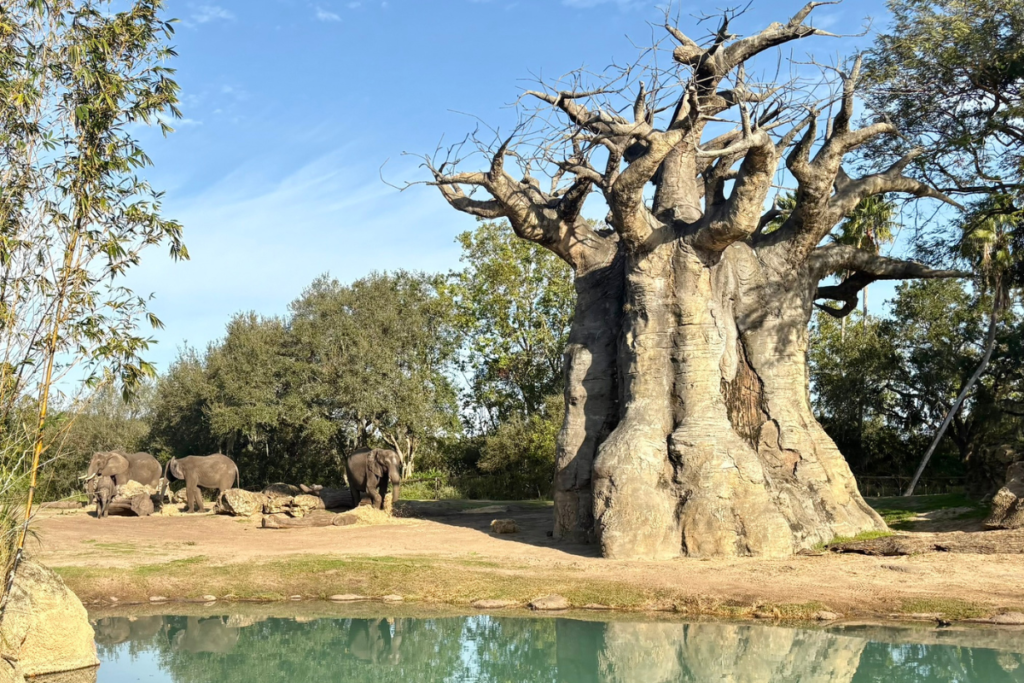
Animal Kingdom was the best park for me to find less stimulating attractions. There are trails in nearly every area. Some, like the Gorilla Falls Exploration Trail, are popular and can get crowded. Others, like the Valley of Mo’ara, were quiet, either because most guests missed them or we just happened to visit at the right times. Best of all, there’s never a wait to enter these trails, which makes them perfect when your child starts feeling impatient with lines.
The Boneyard, a large playground in the former DinoLand, was a great spot for kids who were starting to get restless. Unfortunately, it closed on September 2, 2025, as part of DinoLand’s renovation into Tropical Americas. Luckily, it looks like Disney will be including a new playground in the updated area, with a climbing structure and multiple slides.
Epcot
World Celebration
- Project Tomorrow (play area)
- ImageWorks – The “What If” Labs (play area)
- Disney and Pixar Short Film Festival (film)
World Nature
- Awesome Planet (film)
- SeaBase (aquarium)
- Turtle Talk with Crush (interactive film)
- Journey of Water (trail)
- Living with the Land (boat ride)
World Discovery
- Advanced Training Lab (play area)
World Showcase
- Canada Far and Wide in Circle-Vision (film in the Canada Pavilion)
- Impressions de France (film in the France Pavillion)
- Beauty and the Beast Sing-Along (film in the France Pavillion)
- Gallery of Arts and History (gallery in Moracco Pavilion)
- Matsuriza (show in the Japan Pavillion)
- Bijutsu-kan (gallery in the Japan Pavillion)
- Japan Pavilion Gardens (quiet area in Japan Pavillion)
- American Heritage Gallery (Gallery in the American Pavillion)
- Voices of Liberty (show in the American Pavillion)
- The American Adventure (animatronic show/film in the American Adventure Pavillion)
- Reflections of China 360 (film in the China Pavillion)
- House of the Whispering Willows (Gallery in the China Pavillion)
- Stave Church Gallery (Gallery in the Norway Pavillion)
- Mexico Folk (Gallery in the Mexico Pavillion)
- Gran Fiesta Tour Starring the Three Caballeros (boat ride)
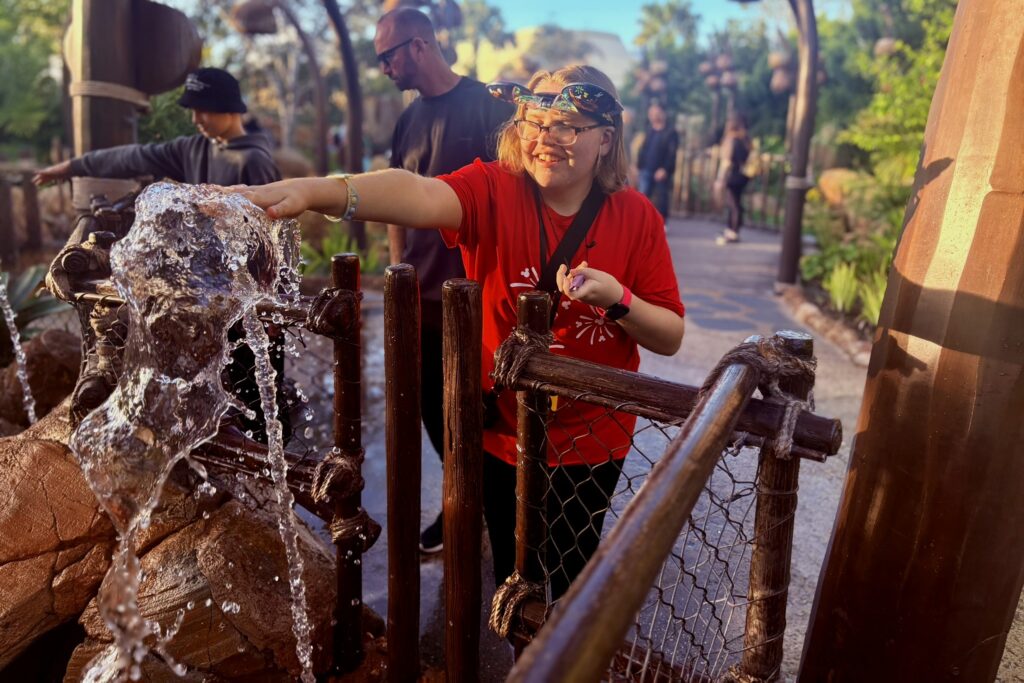
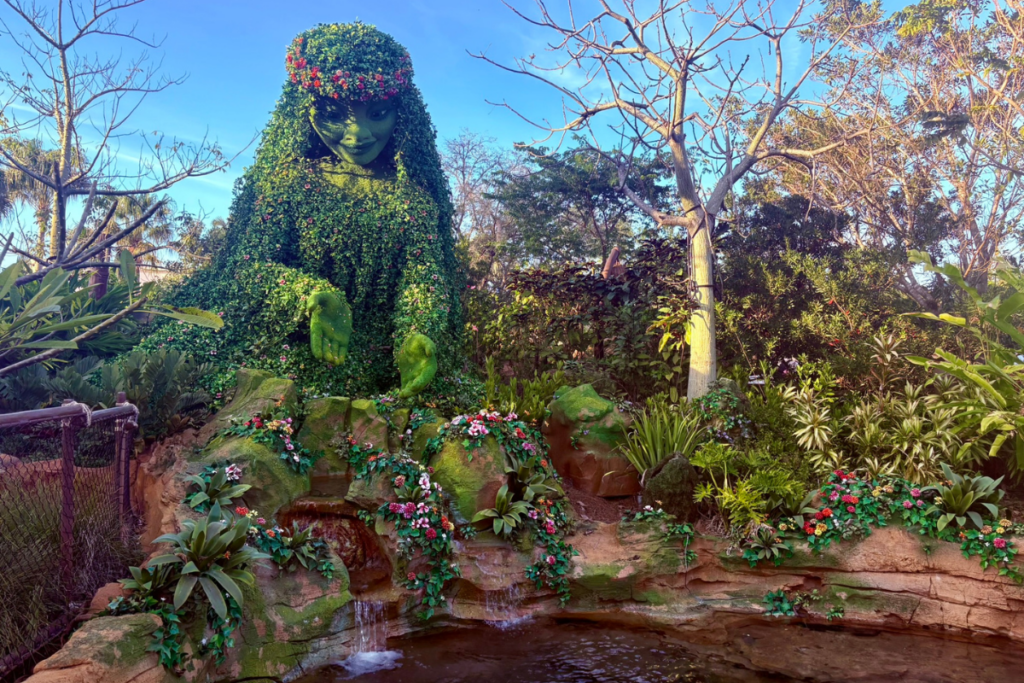
Epcot has a good mix of calm walkthrough attractions and play areas. By far, the best is Journey of Water, inspired by Moana. Along this trail, there are lots of interactive water play spots for kids. While this attraction is popular and can get crowded, there’s no line to enter. Brie loved it so much that we went through it twice, once during the day and again after dark.
There are also several small galleries and museums throughout the World Showcase. While your child might not care about the exhibits, these spots are perfect if you need a quiet place to escape the crowds. The garden area in the Japan Pavilion, while technically not an attraction, is also a peaceful, less crowded spot where we were able to take a longer break.
Hollywood Studios
Sunset Boulevard
- Disney Villains: Unfairly Ever After (show)
- Beauty and the Beast live on stage (show)
- Fantasmic (show)
Animation Courtyard
- The Little Mermaid: A Musical Adventure (show)
- Disney Jr. Mickey Mouse Clubhouse Live! (show)
- Walt Disney Presents (gallery and show)
Toy Story Land
- Green Army Corp (show)
Echo Lake
- For the First Time in Forever Sing Along (show)
- Indiana Jones Stunt Show (show)
- Vacation Fun (movie)
Galaxy’s Edge
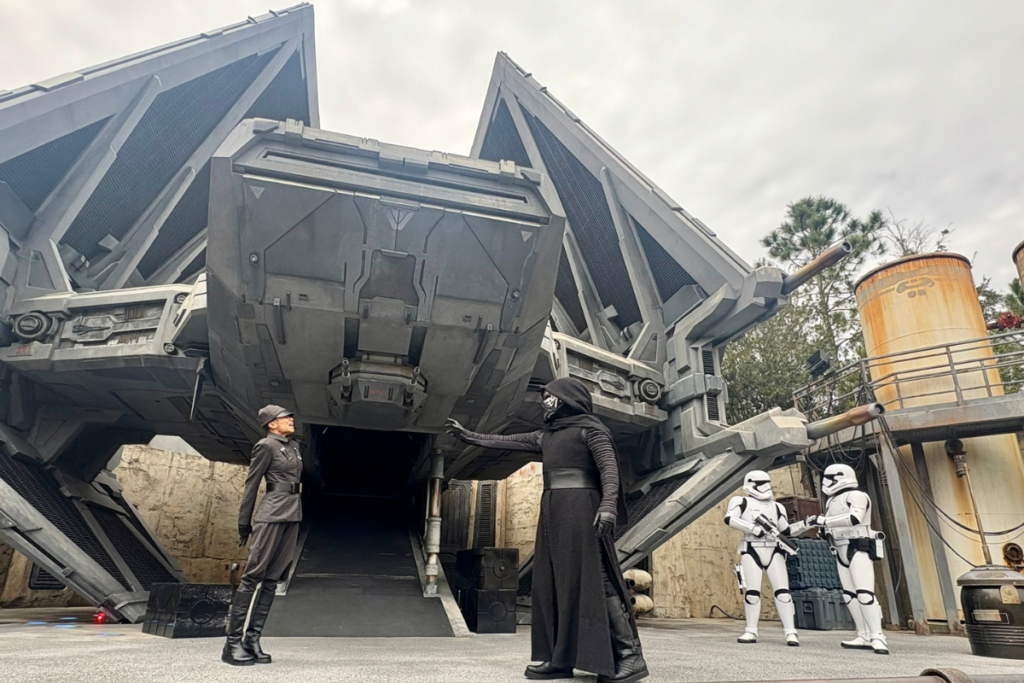
- First Order Searches for the Resistance (show)
The best break spot we found in Hollywood Studios was the former Launch Bay, which has now been replaced with the Roy E. Disney Animation Building. Inside, it will be home to “what’s old is new again” and “The Magic of Disney Animation.” It’s hard to say if this area will continue to be as quiet as it was, since the lower crowds there were likely why Disney decided to reimagine it.
Also in the former Animation Courtyard, now renamed the Walt Disney Studios Lot, is Walt Disney Presents. It’s a small gallery filled with memorabilia and information about Walt Disney’s life. While younger kids might not be interested in the exhibits, it’s a quiet area with very few visitors. At the end of the exhibit, there’s a short film about Walt Disney, which we stayed to watch as a relaxing break from all the walking.
Magic Kingdom
Mainstreet USA
- Walt Disney World Railroad (train ride)
Adventureland
- Swiss Family Treehouse (walkthrough attraction)
- Walt Disney’s Enchanted Tiki Room (show)
- Jungle Cruise (boat ride)
Frontierland
- Country Bear Musical Jamboree (animatronic show)
Liberty Square
- The Hall of Presidents (animatronic show)
Hub Plaza
- Mickey’s Magical Friendship Faire (show)
Fantasyland
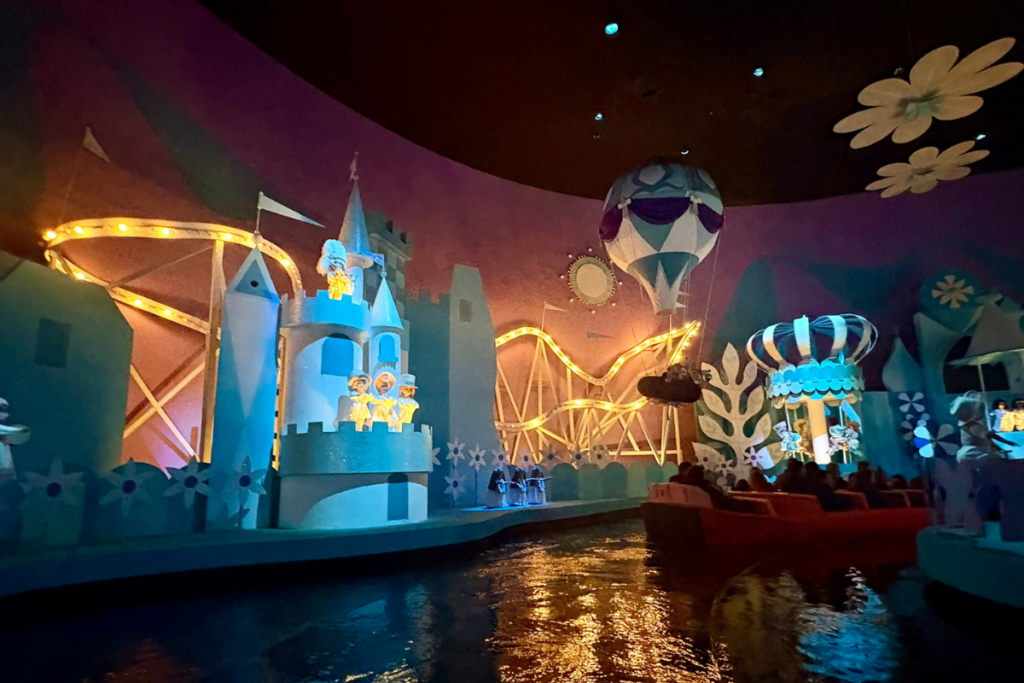
- It’s A Small World (boat ride)
- Mickey’s PhilharMagic (3D film)
- Casey Jr. Splash ‘N’ Soak Station (play area)
- Enchanted Tales with Belle (interactive show)
- Prince Charming Regal Carrousel (ride)
Tomorrowland
- Monsters Inc. Laugh Floor (interactive film)
- Walt Disney’s Carousel of Progress (animatronic show)
- PeopleMover (tour ride)
Brie’s favorite place to take a break at Magic Kingdom is the PeopleMover. We rode it several times on her first two trips. It’s slow, calm, and gives you a chance to just sit and reset while still moving through the park.
Another great break attraction is the Swiss Family Treehouse, a walkthrough with no line. While kids probably won’t know who the Swiss Family Robinson are (Zen thought it was supposed to be Tarzan’s house), I’m glad Disney has kept this outdated attraction because it’s a great spot to get away from the crowds and noise.
Besides the treehouse and Casey Jr. Splash ‘N’ Soak Station splash pad, most of the less stimulating attractions in Magic Kingdom that aren’t rides are shows. The Hall of Presidents and Walt Disney’s Carousel of Progress might not hold younger kids’ attention, but they’re both good places to escape the crowds for a bit and sit in the air conditioning. Mickey’s Magical Friendship Faire is much more kid-friendly, and it’s a nice way to take a break after some of the more intense rides in that area.
Dining with Autism at Disney

Disney does a great job accommodating food allergies and dietary restrictions. When you book table service reservations, you can list dietary needs and allergies so the chef is prepared in advance. Quick-service restaurants also offer multiple allergy-friendly options, all listed online to help you plan.
If you’re gluten-free, you won’t be stuck with typical fast food options (check out my post on Gluten Free Dining at Disney to see all the great food options). It’s also the only place I’ve eaten where they don’t charge extra for a gluten-free bun.
Here are some tips to make dining easier with an autistic child:
- Use mobile ordering at quick-service restaurants to skip long lines
- Plan meals at off-peak times (like an early lunch around 11:00 am or early dinner around 4:00 pm) to avoid crowds.
Brie struggles with making decisions in loud, busy environments, so I usually show her menus on the app when we’re somewhere quiet before mealtimes.
For table service restaurants:
- Eating outside peak times helps, but popular restaurants will still be busy
- Buffets are ideal since the food is ready and there’s no waiting for orders
- Bring travel games, busy boards, or activity kits to keep your child occupied while waiting for food.
Don’t forget, you can bring your own food in a cooler bag if your child has a very limited diet. If needed, you can also use the microwave in the Baby Care Centers to heat things up. Even if I don’t bring full meals, I always pack familiar snacks just in case. Brie sticks to her snack times like clockwork (11:00, 2:00, and 7:00) so having snacks with us always makes the day smoother for us.
Character Experiences: Parks & Dining

There are two types of characters you can meet at Disney: face characters (like the princesses) and costumed characters (like Mickey Mouse). While most kids do fine with face characters, the costumed ones can be intimidating or even scary for some children.
To help prepare your child, show them pictures or videos ahead of time. YouTube is a great resource for this. If you’re unsure how your child will react, you may want to start with face characters first before moving on to the fully costumed ones.
Another important note is that DAS is not available for most character meet-and-greets. You’ll need to either wait in the regular line or use an Attraction Queue Meet-Up, which allows your child to wait elsewhere until your group is near the front.
If your child struggles with lines or crowds, character dining can be a better option. It’s a great way to meet multiple characters without waiting in line, but it’s worth noting that these meals can be loud and busy, which may be too overwhelming for some children.
We did two character dining experiences on our last trip:
- ʻOhana’s Best Friends Breakfast (with Lilo & Stitch)
- Hollywood & Vine Disney Junior Play ‘n Dine at Hollywood Studios
Both worked really well for us. Brie did much better eating while waiting for the characters to come around, rather than standing in a long line. If anything, she was more annoyed at having to pause her meal when the characters came to the table.
Shows, Parades & Fireworks
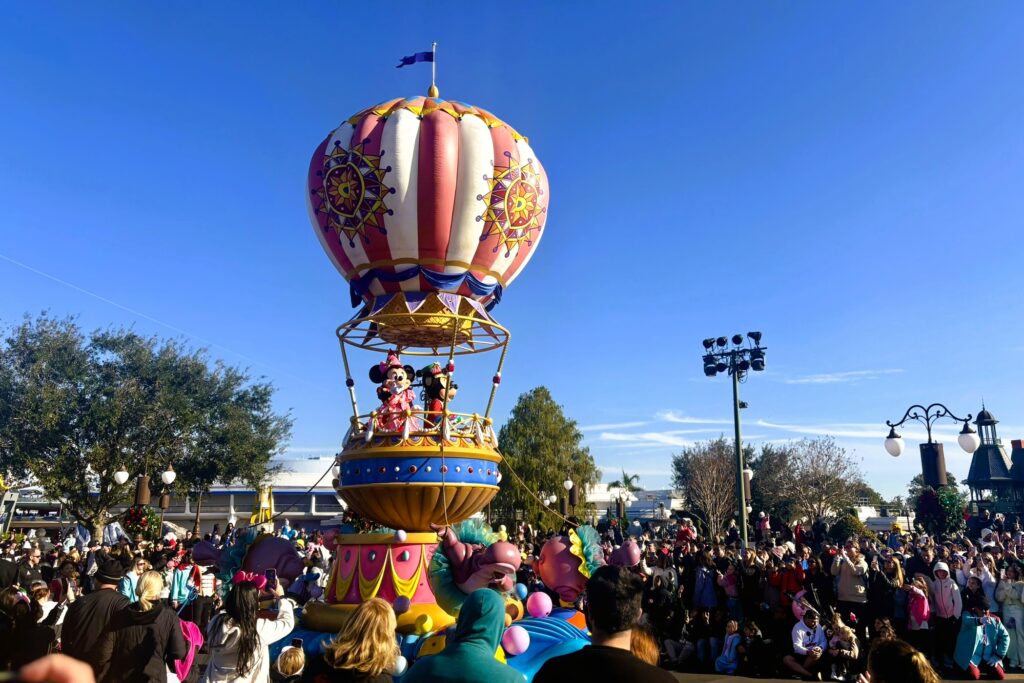
Disney is well known for its fireworks and parades, but what many people don’t realize is that these events also involve a lot of waiting, especially if you want a good viewing spot.
For parades, guests often start lining up 30–60 minutes early to get a front-row view. While Disney does offer accessible viewing areas for wheelchairs, they are limited and available on a first-come, first-served basis.
Fireworks, especially at Magic Kingdom, draw very large crowds. If you want a prime spot right in front of the Castle, you’ll need to arrive at least an hour early. That said, you don’t need a perfect view to enjoy them. We watched from farther back near The Plaza Restaurant and could still see everything clearly. Brie was in her wheelchair, and even though I offered to help her stand for a better view, she was perfectly fine staying seated.
For stage shows, you can use DAS for most performances, but not for Fantasmic! at Hollywood Studios or Mickey’s Magical Friendship Faire at Magic Kingdom (in front of the Castle).
We booked the Fantasmic! Dining Package to guarantee a spot in the reserved seating area, but unfortunately, Brie didn’t make it to the 9:00 p.m. show. She was done for the day, and we ended up giving our tickets to another family on the way out.
Something to consider:
Waiting for a last-minute viewing spot for fireworks, parades, or shows can actually work better for autism families. When we showed up closer to showtime for the EPCOT fireworks, we got a spot with no one behind us. That made it much easier to leave when Brie was ready to go. This approach can also be helpful for parades if your child gets overwhelmed and needs a quick exit.
And finally—don’t forget noise-reducing earmuffs or earplugs. You’ll want them for all three: fireworks, shows, and parades.
Special Events
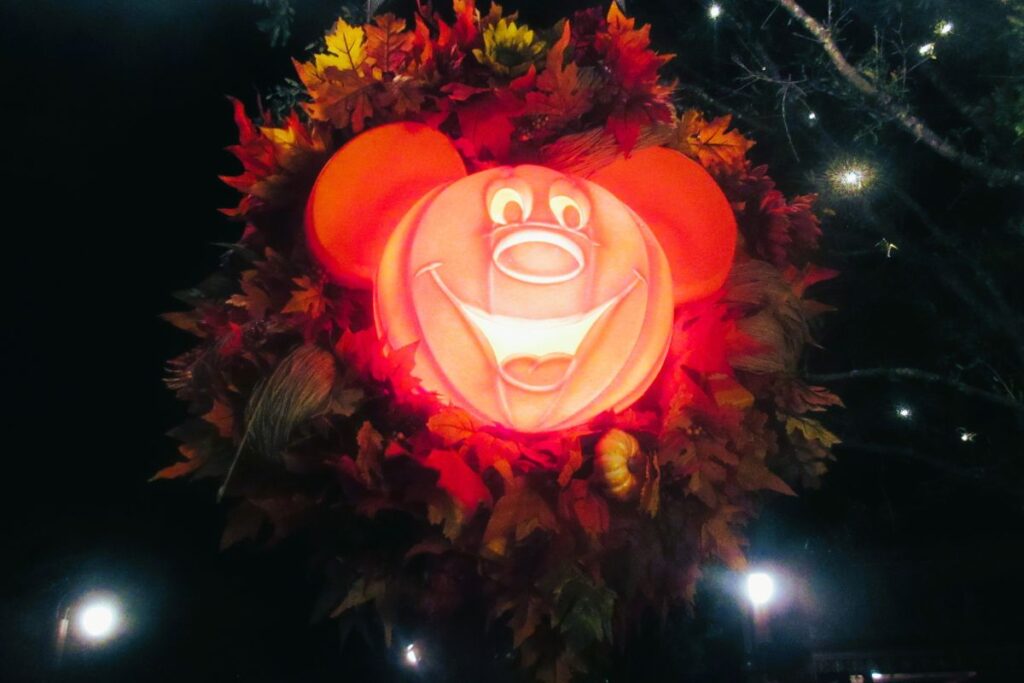
Throughout the year, Disney offers several special-ticketed evening events in their parks. These take place on select nights and require a separate ticket from your regular park admission. Most of these events start around 7:00 p.m., but ticket holders are usually allowed to enter the park a bit earlier.
On event nights, the park typically closes early (usually around 6:00 p.m.) to regular guests, so it’s important to check the calendar and plan your park itinerary around that.
Here are the main special events currently offered:
- Disney After Hours at Hollywood Studios
- Disney After Hours at EPCOT
- Disney H2O Glow After Hours at Typhoon Lagoon
- Mickey’s Not-So-Scary Halloween Party (mid-August to October 31)
- Mickey’s Very Merry Christmas Party (early November to December 25)
- Disney Jollywood Nights (select nights in November and December)
While these events are shorter than a full park day, they can actually work really well when doing Disney World with autism. Crowds are usually lighter, lines are shorter, and the overall energy feels more manageable.
And since the parks close earlier for non-event guests, daytime crowds can also be lower on event days, which can make those days worth considering even if you don’t attend the event itself.
Where to Take Breaks
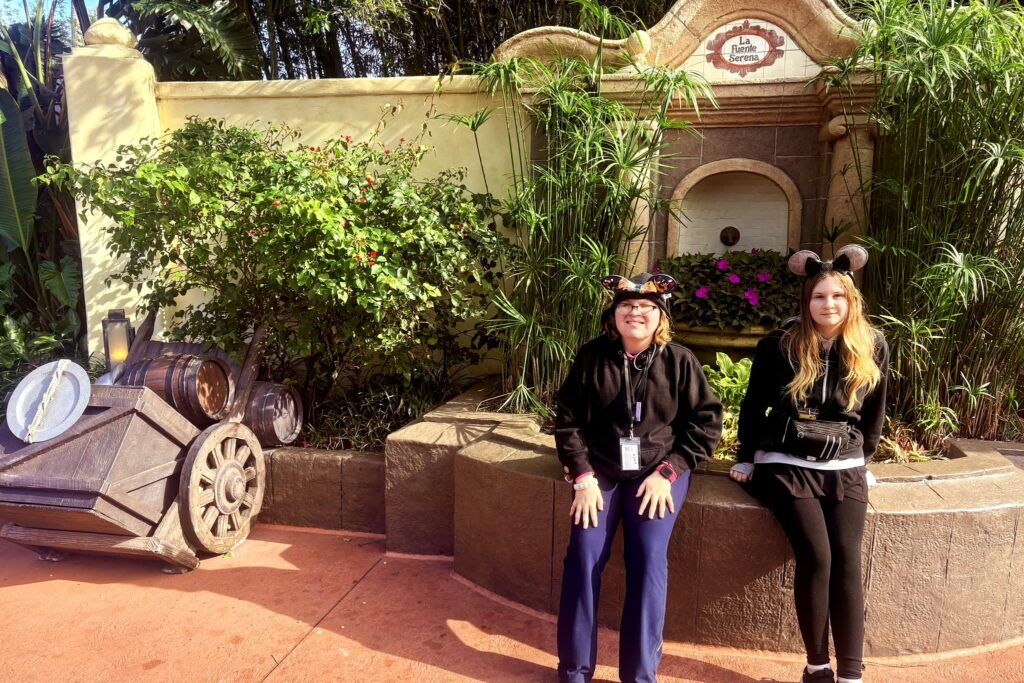
Unfortunately, Disney World doesn’t offer any designated break rooms or sensory rooms for autistic guests. If your child needs a quiet place to decompress, your only real indoor options are companion restrooms or Baby Care Centers, and even those may not feel fully calm depending on the time of day.
That said, there are still plenty of quieter spots throughout the parks where you can take a break. While Disney includes a list of suggested break areas in their Accessibility Planning Guide, I recommend checking out Undercover Tourist’s guide instead, since they give more detailed descriptions of where these spaces are.
Try to use break areas proactively, not just when your child is already overwhelmed. Building in regular downtime can help prevent overwhelm and meltdowns.
On our last trip, Brie did really well overall because I planned breaks into our day and alternated more intense rides with slower, less stimulating attractions. The only time she started to get overwhelmed was near the end of our Magic Kingdom day. I was trying to ask her if she wanted to do anything else or just head back to the resort, but she was too overstimulated to respond. I brought her to the closest companion restroom so she could sit in her wheelchair and have a quiet break. After a few minutes, she was calm enough to tell me she was ready to leave.
Companion Restrooms and Accessibility
While all Walt Disney World restrooms include wheelchair-accessible stalls, many of them aren’t large enough to comfortably fit both a wheelchair and a companion. That’s something we learned firsthand during our trip.
Thankfully, Disney also offers single-stall companion restrooms, which give you much more space for both a wheelchair and a caregiver. These are especially helpful if:
- Your child needs a quieter restroom environment
- You’re assisting a child of the opposite gender
- You need extra space for medical or mobility equipment
For guests with older children or adults who need additional changing support, Disney provides adult-sized changing tables in the companion restrooms located at the First Aid Station in each park.
Planning Your Day
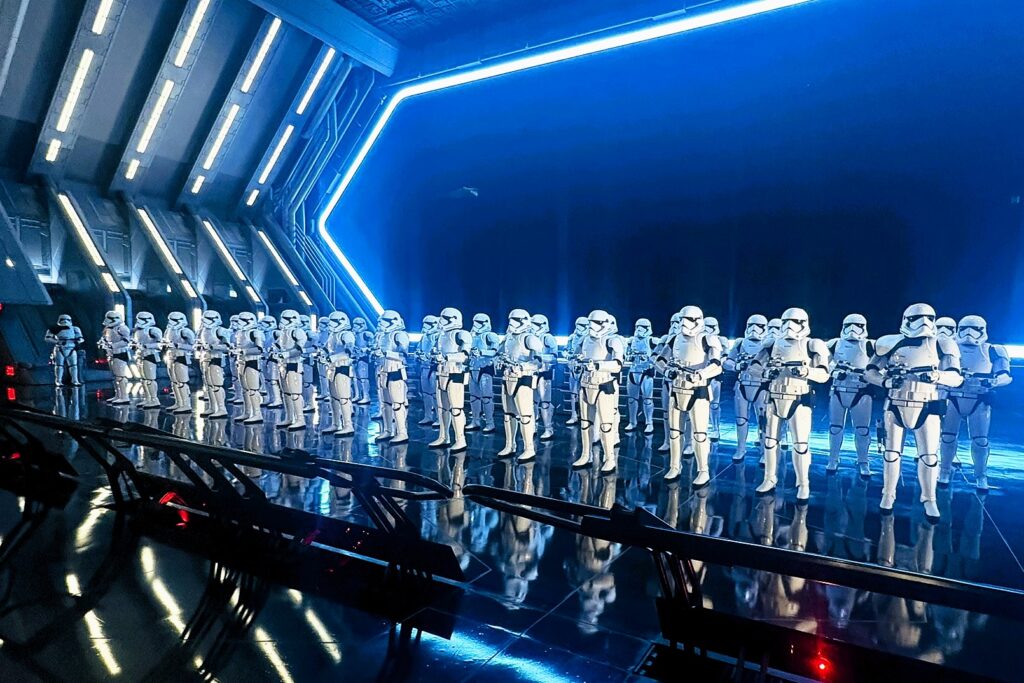
A day at a Disney park isn’t something you want to just wing. If you go in without a plan, there’s a good chance you’ll miss out on rides or experiences you were really hoping to do.
If you’re using the DAS program, check out my full DAS Guide for a detailed strategy on planning your day. Here, I’ll walk through the basics of how I build a park itinerary.
Start by prioritizing your absolute must-do rides early in the day. Rides do sometimes break down, hitting them first gives you a chance to return if needed. For example, Star Wars was the main reason for our Disney trip since Zen really wanted that experience. I made sure those attractions were scheduled early so she didn’t miss them.
We also included a lot of “if we have time” rides. So, when we were ahead of schedule, we could add those extras in. I kept our itineraries on my phone, so it was easy to copy, paste, and adjust as we went.
I spent several weeks mapping out detailed itineraries for each park day. Here’s the step-by-step process I followed:
My Step by Step Planning Process
- Step 1: Make a list of must-do attractions (Choose 1–5 per person, depending on your group size.)
- Step 2: Sort your attraction list by the areas of the park they are in to reduce backtracking
- Step 3: Look up the average wait times for each ride, add 5–10 minutes for walking time, and write the estimated time next to each one. TouringPlans.com shows average wait times by time of day at the bottom of each ride page (Magic Kingdom | Hollywood Studios | EPCOT | Animal Kingdom)
- Step 4: Add time for meals and breaks.
- Step 5: Use park maps to plan your route and estimate arrival times for each ride based on wait and walking time
- Step 6: Build in frequent breaks and alternate intense rides with calmer ones. Don’t forget bathroom breaks.
- Step 8: Adjust as needed. If your day is running too late, move some rides to your “if we have time” list. If you’re ahead of schedule, add a few extras
Have an Exit Plan
No matter how well you plan your day, schedule breaks, or pack sensory tools, there’s still a chance your child may become overwhelmed and you may need to leave the park. If that happens, things go much smoother if you’ve already planned your exit.
Here are the questions to think through ahead of time:
- Who’s leaving? Will one adult take the autistic child back to the resort while the rest of the group stays in the park, or is everyone leaving together?
- How are you getting back? Will you use Disney transportation, or would calling an Uber be faster and calmer in that moment?
- What’s the closest way out? Know your nearest exit route so you’re not trying to figure it out while your child is already overwhelmed.
- What does your child need once you’re back? Do they need screen time, a quiet room, a comfort item, or time alone? If they need silence, where will other family members go?
- What’s Plan B for the rest of the day? Will you try to re-enter the park later? Head to the pool? Watch fireworks from outside the park? Go to Disney Springs?
We didn’t end up needing our backup plan, but I still felt better knowing it was there. In our case, Brie would have needed quiet time in the room, probably playing games on her phone or watching Disney Jr. To help with the disappointment of leaving early, we would’ve followed that with pool time (her favorite), and then headed to Disney Springs for a gluten-free treat.
Managing Your Own Expectations
The most important thing to keep in mind when planning a Disney autism trip, and while you’re there, is that the trip is for them. When you’re traveling with kids (especially a child with autism), it’s not going to be the kind of vacation where you get to do everything you want. That’s one of the reasons I love solo travel. Those trips are for me. I can go at my own pace and do exactly what I enjoy without needing to overplan or adjust.
But a Disney trip with kids is different. And when autism is part of the mix, sensory overwhelm can derail even the best-laid plans. You may have to skip things you were really looking forward to. You may need to leave early. You may have to change your plans mid-day. If you want the trip to go well, you have to be willing to let your child decide when it’s time to call it and end the day early if needed.
When things aren’t going as planned, let go of your checklist and lean into making memories instead. Being flexible and not expecting to do everything makes the entire experience easier for both you and your child.
Our Experiences
On Brie’s first Disney trip, we didn’t make it to the Magic Kingdom fireworks. She had reached her limit, and we had to leave quickly. This was before Uber was an option, so we had to wait it out at the resort shuttle. Thankfully, the bus stop was quiet, and she was able to calm down. We ended up watching the fireworks from the parking lot while we waited.
On our most recent trip, we missed Fantasmic!, a show I really wanted to see. I had even booked the dining package to make sure we had seats. But Brie was done long before showtime, and I was okay with that. We still got to enjoy a lot of the things I had hoped for, and that was enough.
Letting go of expectations and adjusting in the moment makes the trip more enjoyable for everyone.
Final Thoughts

On our first trip to Disney World, I felt prepared. I’d done tons of research, built a detailed itinerary, knew where to find dairy-free and gluten-free food for Brie, and had prepped her for what to expect. This wasn’t her first family vacation or amusement park experience, so I thought I had a pretty good handle on what she needed.
But we still hit a few unexpected bumps. Brie had two meltdowns I didn’t see coming, one from the loud bus noise, and another after she hit her limit during our first Magic Kingdom day. I also didn’t realize how much she would need a full rest day mid-trip just to unwind, watch TV, and play her games.
Our second trip went more smoothly. We had a full break day at our rental house (thanks to Hurricane Matthew), which gave Brie the downtime she needed after two park days. I also learned not to try and keep her in the parks from open to close.
On our most recent trip, I overestimated what she could handle because of her age and progress. She didn’t have meltdowns, but I could clearly tell when she’d hit her limit. I also realized that even our “rest days” weren’t really rest days, since we filled them with resort hopping.
I’ve learned my lesson. On our next trip, which will be her first Disney World trip as an autistic adult, we’ll be building in more real downtime, with more resort days focused on the resort pool and amenities. I’m planning to book through David’s Vacation Club Rentals so we can stay at a deluxe resort (with a water slide!) without the deluxe price. Probably a split stay, since I’m having a hard time choosing just one resort. If you’re looking for help deciding where to stay, check out my post on the 8 Best Disney Resorts to Stay At or the Best Disney Resort for Autism.
It is possible to have a magical Disney World trip with autism, as long as you plan ahead, stay flexible, and don’t overschedule. The key to doing Disney World with an autistic child is understanding their needs and adjusting the experience to match them.
For more travel tips and inspiration, including reviews of autism friendly events, attractions and hotels, follow us on Instagram, Facebook or TikTok.
Have questions or tips of your own for doing Disney World with autism? Join our Autism on Vacation Facebook group to share what worked for you, what didn’t, or ask any travel questions for Disney and beyond.
More Autism Travel Planning Resources
Disney with Autism
- The Best Disney Resorts for Autism
- Best Autism-Friendly Places to Stay Near Disney
- Disney DAS Program: A Complete Guide
- Resort Hopping with My Autistic Child
- Disney Resources from Mamas On Vacation
Travel Tips
- Autism Travel Tips: A Parent’s Guide for Traveling with Autism
- Tips for Traveling with Autism: Road Trips
- Finding Autism Friendly Hotels
- Travel Sensory Kit for Autism
Ontario Destinations
- Niagara Falls Travel Guides and Reviews
- Ottawa Travel Guides and Reviews
- Toronto Travel Guides and Reviews
- London Travel Guides and Reviews