
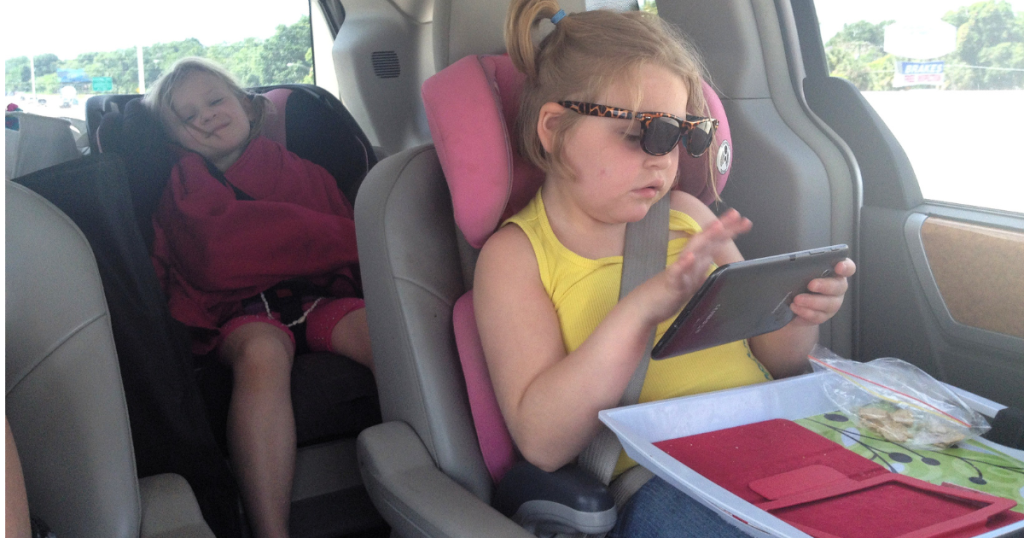

If you’re getting ready for a long drive, these road trip tips for traveling with autism will help you prepare, pace the day, and keep your child comfortable on the road.
Traveling with autistic children looks different when the plan involves hours in the car instead of a quick flight or day trip. Long drives, new environments, and unpredictable stops can be challenging for autistic children. Still, with the right preparation, the experience can be manageable and even enjoyable.
In fact, there are many advantages to taking a road trip instead of flying. You can bring much more in your own car than you can on a plane, ensuring your child has everything they need to be more comfortable in a new location. You have more control over the environment, allowing you to set the temperature and music volume, and maintain a calm atmosphere in your car. Your child can take as many movement breaks as they need, and you can follow your own timeline, making it easier to stick to your child’s usual routines.
Brie’s been going on road trips since she was a baby. We started with short weekend trips a couple of hours away and slowly worked our way up. When she was five, we drove to Philadelphia—an eight-hour drive that we broke up with a stop at a children’s museum each way. When she was eight, we did our first trip to Disney (see this guide for all our tips for traveling with autism to Disney). This time, it was a 20-hour drive that we broke up with an overnight stop at a hotel each way. And this past summer, we took a three-week East Coast Canada road trip, stopping in Ottawa, Quebec City, and Montreal on the way, then exploring Nova Scotia, New Brunswick, and Prince Edward Island.
In this article, I’ll give you all my tips for traveling with autism, specifically for road trips, whether you’re planning a weekend getaway or a multi-day route. For general planning tips for traveling with autism, including the best destinations, how to find the right hotel, meal planning, how to lay out your itinerary, what to pack, precautions to take for runners/wanderers, and how to prepare your child for travel, see our full autism travel tips guide. You can also check out our guide to building a travel sensory kit, or browse through the Ontario autism friendly events, attractions and hotels that we’ve rated so far.

Road Trip Tips for Traveling with Autism:
Try a Shorter Road Trip First
Before you start planning a two-week trip across the country, see how long your child can tolerate being in a car or even away from home. Start with day trips, increasing the length. Then move on to an overnight trip, then a weekend.
Burn Some Energy Before the Long Drive
Before you start a long day of driving, give your child some time for active play to get some energy out. Let them play on the backyard trampoline before you head out on Day One. Stop at McDonald’s for breakfast after you check out of the hotel and give them an hour in the play place before another day of driving. Find a local park and have one parent take them to play while the other one packs up the room before you head home.
Plan Driving Time Strategically
If your child tends to sleep in the car, getting a long stretch of driving done in the evening is a great idea. However, if your child never falls asleep on a long drive, don’t plan on driving past bedtime. If your child is an early riser, heading out first thing in the morning may be your best bet. Is there a time of day they typically have more energy? Plan an active break at that time.
It’s Going to Take Longer Than You Think
Whatever timeline you have in mind, add more time to it. You may be able to drive from Windsor to Quebec City in one day, but with an autistic child, that eleven-and-a-half-hour drive is likely going to require more than 16 hours. All kids need more breaks, so plan to stop every two to three hours, but more often with children who are naturally higher energy. Plan for those stops to take longer than you would expect too. Think a washroom break will only be 15 minutes? Expect 30–45. Lunch or dinner? Allow at least an hour, though more likely an hour and a half.
Plan Active Breaks
The reason those breaks will take longer is that your child will need more than just a quick meal or a washroom visit. Use breaks as a chance for your child to run around and get some energy out. If you can, find parks or hiking trails along the way to take a full active play break. Even better, make your breaks an attraction stop, finding unique roadside spots or attractions and activities in smaller towns along the way.
Use Visual Schedules or Road Trip Timelines
Making a small visual schedule, or some other kind of visual support, to show your child what to expect during the day can make waiting and transitions easier. If your child can read, you can write it out like: “Drive → Park → Lunch → Drive → Hotel.” For children who understand time, be specific and include how long each driving segment will take.
Pack Lots of Car Activities
Just grabbing the iPad or tablet may be fine for a short road trip to one destination and back with less than a day of driving, but for a long road trip, you will want to pack a good variety of car activities. Keep it all organized and easily accessible with a car seat organizer or a hanging back seat organizer, and bring along a travel tray so they have a flat surface to play on.
Here are some of the best toys and activities you can bring for the car:
- Busy Boards (for toddlers/preschoolers)
- Crayola Create ‘N Carry Travel Art Set
- Crayola Colour Wonder Activity Set (mess-free for younger kids)
- Scratch Art
- Travel Spirograph
- LCD Writing Tablet
- Kids Travel Journals
- Sticker Activity Books
- Felt Board Sets
- Magnetic Playsets
- Magnetic Alphabet Maze Board or Color Sorting Board
- Mini Magnetic Tiles Travel Set
- Mini Magnetic Blocks Travel Set
- Reusable Games Wipe-Off Activity Pad
- Car Games
- Road Trip Bingo
- Lite-Brite Touch
- Spot it, Eye Found It, or Guess in 10 games
- Travel Board Games (if you’re traveling with more than one child)
Pack a Travel Sensory Kit
Having a sensory kit is essential when traveling with autistic children. These kits are filled with all the tools your child needs to handle sensory stimuli that are aversive to them and provide them with the sensory input or movement they need. Make your own travel sensory kit before your road trip so you not only have all your child’s needed sensory items for the car, but also for any restaurants, overwhelming (or boring) attractions, and the hotel.
For ideas on what to pack in your sensory kit, check out our guide.
Noise Management for the Car
Highways (and siblings) can get loud. If your child is sensitive to noise, bring soundproof headphones or earplugs to block out overwhelming sounds. If your child enjoys music, create a playlist of their favorite songs to play during the drive. This helps them regulate, stay comfortable, and enjoy the ride.
Get a Plug-in Cooler
Eating out every meal gets expensive and boring after a while, so bring along a plug-in cooler so you can pack some food for the road. If your child has food aversions or allergies, this will also help you keep any food you’ve brought to cook at the hotel or VRBO home rental cold between stops. Packing your own food can also help keep your road stops to a minimum, since you can have a picnic at a park, so it doubles as a play break.
Make a Car Cleanup Kit
Spending long hours in the car means messes happen more often than usual. Keep a small car cleanup kit handy with:
- Cleaning wipes
- Paper towels
- Plastic bags for garbage
Do a quick car cleanup every time you check into a hotel (once luggage is inside) to keep the car organized and comfortable for the rest of the trip.
Keep a Set of Spare Clothes Handy
Even if your child has been potty-trained for years, accidents happen. Be prepared by keeping some wipes and a change of clothes out of the suitcase, so you won’t be stuck unloading all the luggage on the side of the road to grab a change of clothes.
Plan to Do Laundry
You’re going to have a full car, so reducing how many outfits you pack per person will help keep some space for all the other things you’ll need. If your road trip will be for a week or more, or you have a vehicle that won’t fit too much luggage, you will need to plan a stop to do some laundry. Many hotels have a washer and dryer, so getting a couple of loads done on a rest day is easy. Even better, plan to stay at VRBO home rental for a rest day, as it makes doing laundry so much easier.
Plan Surprises
Keep kids from getting bored with something new or unexpected. If you buy some new toys or activities for the trip, don’t pack them with everything else. Instead, save them to give your child something new halfway through a long drive or buy some of their favorite treats to surprise them with. Even a surprise stop to see or do something they didn’t know was planned can make a long drive feel easier.
Plan Rest on Longer Trips
For multi-day road trips, include some days with no driving at all. A full rest day at your hotel or VRBO home rental gives your child a break from the car, helps them recover from sensory input, rebuilds energy, and reduces the risk of burnout. Even one reset day can make the rest of the trip go much smoother.
Be Flexible
No matter how well you’ve planned your road trip itinerary, things may get derailed. Be okay with plans changing when your child needs them to. If your child is getting overwhelmed, but there are still a couple more places you wanted to stop before getting to the hotel, forget them. Just drive right to the hotel and let your child have a relaxing night in instead.
Have a Backup Plan
This goes along with being flexible. Be prepared that weather or other unexpected events may result in your needing to find something else to do. For days that you have an outdoor activity stop planned, find something indoors (like a play place or trampoline park), just in case it rains.
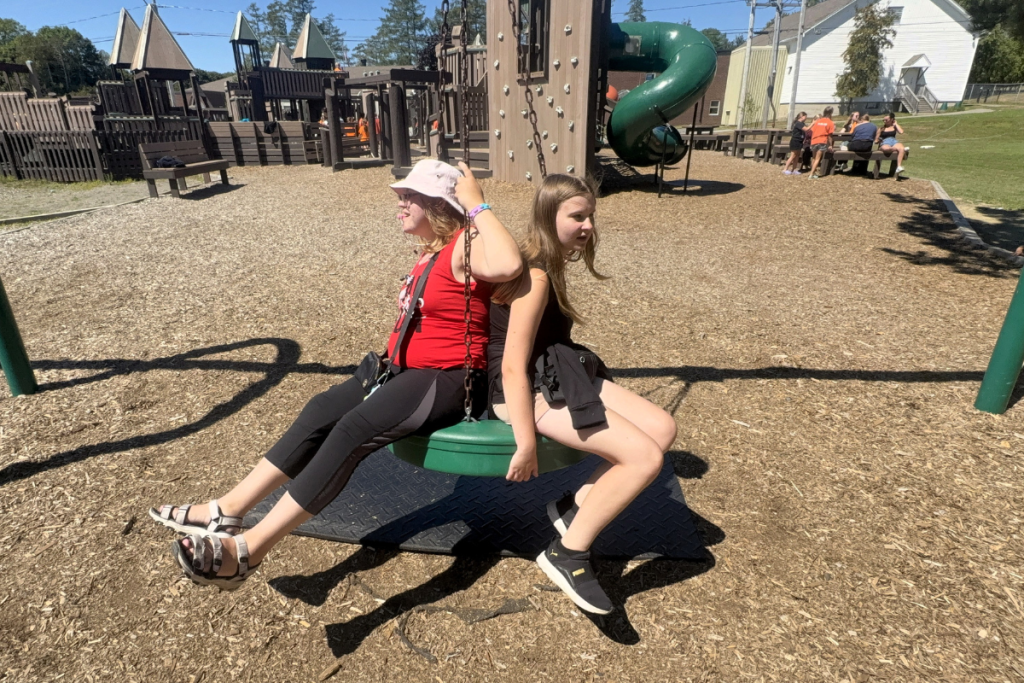
Traveling with an autistic child can be challenging, but it’s also a very rewarding experience. On our trips, I’ve been able to find things for Brie to do that we don’t have around home, which gives her so many more opportunities to grow. While she thrives on routine, she also loves novelty, so traveling keeps her from getting bored during long school breaks. Most importantly, she loves to travel, so I know I’m giving her a fulfilling life by taking her to see so many new places.
To see more tips for traveling with autism and reviews of autism-friendly attractions, hotels, and destinations, make sure you follow us on Facebook or TikTok. If you have some tips of your own to share, join our new community, the Autism on Vacation Facebook group.
You may also like:
Find more travel Inspiration: