
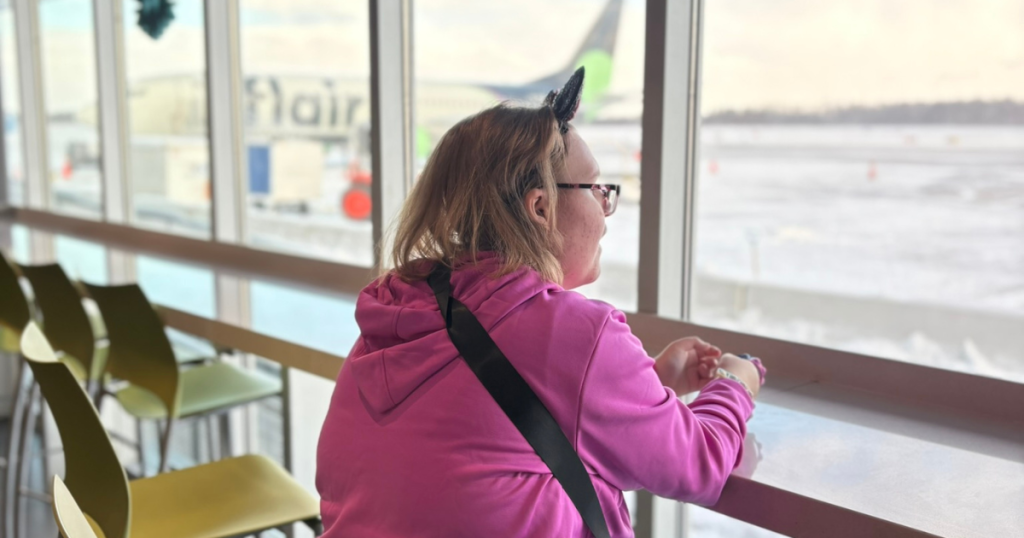

Whether it’s your first trip or your fifteenth, these autism travel tips will help you plan, pack, and be prepared for anything.
Traveling with autism can be stressful for both the autistic person and their caregivers. While many children, teens, and adults on the spectrum enjoy exploring new places, things like unexpected changes, new sleeping environments, and the sensory overload that often comes with attractions can make travel challenging.
I’ve been traveling with an autistic child for over 16 years, and along the way, I’ve made plenty of mistakes—and learned a lot from them. I used to think it would get easier once I was traveling with an autistic teen, but even now that my daughter is an adult, I still have to plan vacations differently than I would for someone without autism.
The biggest tip for traveling with autism I can share is this: planning is everything. Fortunately, that’s one part of travel I actually enjoy.
If you’re planning a road trip, check out our post on Road Trip Tips with Autism. You can also check out our other posts for more autism travel tips, to see the autism friendly events, attractions and hotels we’ve rated so far, or to learn everything you need to know about doing Disney World with autism.
If you’re looking for guidance on how to travel with autism, keep reading to see the strategies that have made our trips smoother and more enjoyable for everyone.
Planning an Autism Trip
Research the Destination Thoroughly
When you’re traveling with autistic children, doing a lot of research is essential. Whether you’re booking hotels and flights or planning a day at a museum or amusement park, find out what autism accommodations are available before you go. Many destinations now provide sensory guides or list available resources they offer, like sensory kits, sensory rooms, or quiet spaces.
Even if a location doesn’t officially list a quiet room (you can check here for airports that have them), take time to read through their website, look at maps, and watch videos to find areas where your child can take a break away from the crowds.
Planning Where to Travel with an Autistic Child
To find autism friendly places to visit, check out the Certified Autism Destinations and Centers database, which lists hotels, amusement parks, and other facilities with staff trained in autism. The Autism Aware Certification website is another excellent resource for finding hotels, airports, and airlines with trained staff.
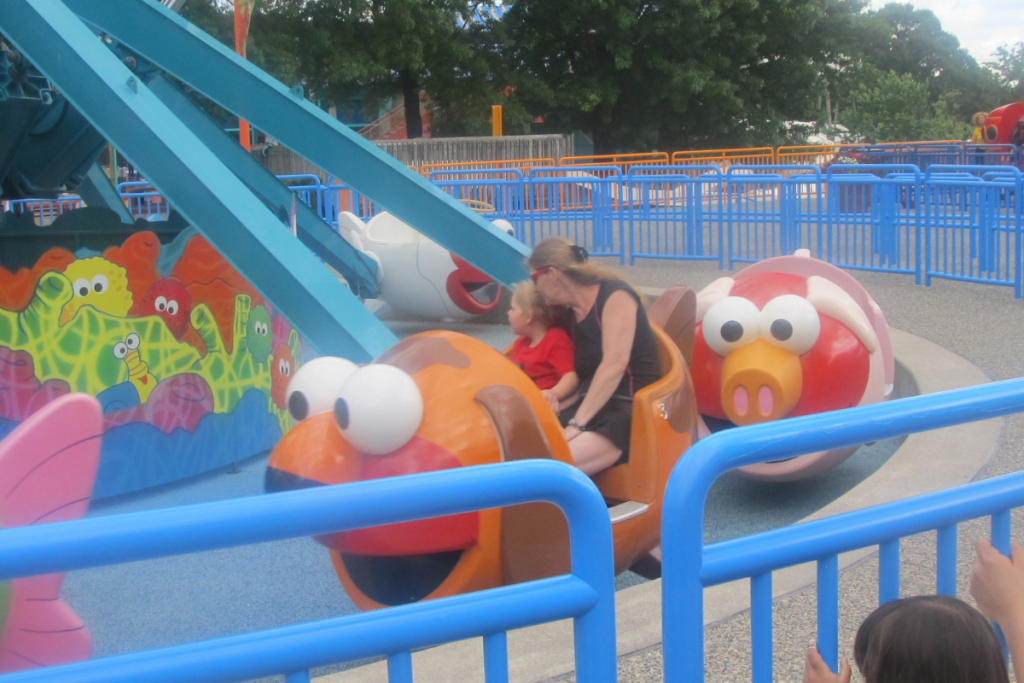
Brie has loved all the destinations we’ve travelled to, but some of the best were Sesame Place, the Universal Studios parks, and, of course, Walt Disney World (see our full guide and post on the best resorts for autism). You can also join our Autism on Vacation Facebook community to share your ideas on where to take an autistic child on vacation, and follow us on Facebook, as Brie and I review autism friendly events, attractions and hotels to see how truly autism-friendly they are.
Top Autism-Friendly Vacation Spots
These hotels and resorts are all Certified Autism Centers:
Top Resorts:
- Soaring Eagle Waterpark and Hotel, Mt Pleasant, Michigan, U.S.A ($)
- Studio City – Cotai, Macau ($)
- Ramon’s Village Resort – San Pedro, Belize ($$)
- Hyatt Regency Aqaba Ayla Resort – Aqaba, Jordan ($$)
- Sawgrass Marriott Golf Resort & Spa, Ponte Vedra Beach, Florida, U.S.A ($$$)
- Beaches Negril Resort – Negril, Jamaica ($$$)
- Beaches Turks & Caicos Resort – Providenciales, Turks and Caicos Islands ($$$)
- All three LEGOLAND resorts in the U.S.A. (Florida, California, and New York) and in Dubai, Malaysia, Japan, and Korea. ($$-$$$)
Dubai (Certified Autism Destination):
- Hilton Garden Inn Business Bay ($)
- Lapita, Dubai Parks and Resorts ($$)
- Hilton Dubai The Walk ($$$)
- Atlantis, The Palm ($$$$)
Palm Springs, California Area (Certified Autism Destination):
Traverse City, Michigan (Certified Autism Destination):
High Point, North Carolina (Certified Autism Destination):
Visalia, California, USA (Certified Autism Destination):
- Wyndham Visalia-Rating ($$)
- Best Western Visalia Hotel-Rating ($)
- Visalia Marriott at the Convention Center ($$)
Billings, Montana:
Mesa, Arizona:
Get a Sunflower Lanyard
The Hidden Disabilities Sunflower Lanyard is a discreet way to let staff at participating venues (airports, museums, theme parks, and other major attractions) know your child has an invisible disability and may need extra time or support. You can order one online or pick one up at information desks in select locations.
Some attractions also have their own programs—like Great Wolf Lodge’s special multi-colored wristbands for guests with disabilities.
Get Professional Help
For some trips, you may need help from an expert. Consider using an Autism Certified Travel Agent for international trips, air travel, or big vacations like Disney World. If you’re planning a cruise, check out Autism on the Seas, which offers staff-assisted sailings with specialized respite care and onboard support for families.
Contact Places in Advance
Some accommodations need to be arranged before you arrive. For example, you can contact the TSA Cares program at least 72 hours before your flight to get help navigating airport security. If you’ll need specific accommodations at your hotel, call or email ahead of time, or request them when booking.
Apply For Accessibility Cards
The IBCCES Accessibility Card makes it quicker and easier to make accommodation requests at many U.S. attractions. Once approved, you’ll receive a digital card that allows staff to quickly understand your child’s needs without having to explain them repeatedly.
If you’re in Canada, the Access 2 Card allows a support person to receive free or discounted admission at some attractions. I have not been able to find something similar in the U.S., so if you know of a similar program, let us know in the Autism on Vacation Facebook group.
Have a Backup Plan:
No matter how much you plan, things sometimes go wrong. Rain, transportation issues, or unexpected closures happen. Since many autistic children struggle with sudden changes, always have abackup plan ready to prevent a meltdown. If you’re planning an outdoor attraction, find something indoors just in case, so you won’t be scrambling to find something else to do while helping your child cope with disappointment.
Ask for Accommodations as Needed:
Not every situation can be planned for, and sometimes you won’t realize what accommodations you’ll need until you’re already there. When flying, ask the gate attendant early about priority boarding, and if you arrive to find long customs lines, ask whether there’s an accessible line or alternate process available.
After landing in Orlando on our last Disney trip, I saw the line-up for customs and knew Brie wouldn’t be able to handle it. I explained the situation to a nearby security guard, and he directed us to the accessible line.
Transportation Tips
Plan the Best Transportation Option for Your Child’s Needs
If you’re flying to your destination, how will you get around once you arrive? Some children do fine on public buses or shuttles, but if crowds and noise are a trigger for your child, taking an Uber or renting a car may be a better option.
Even on a road trip, driving may not be the best way to get around once you’ve checked into your hotel. During our East Coast Canada road trip, we used Uber to get around in larger cities like Ottawa, Québec City, and Halifax. It was less stressful for me than having to drive through busy, unfamiliar areas and find parking.
Consider Transportation Timing
Whenever possible, plan travel times around your child’s schedule. If they sleep well in the car, schedule long drives or flights during nap time or overnight. If they don’t, plan to travel during stretches when they’ll be awake. Keeping a predictable schedule is important, so for road trips, leave early in the morning and aim to reach your stop before bedtime.
The first time we went to Disney World, we drove (a 20-hour drive). Since Brie doesn’t sleep well in the car, we booked a hotel halfway and spread the drive over two days.
Plan Some Active Play First
Before any long flight or drive, give your child time for some active play to help burn energy. If you have time before your flight, stop by a local park or indoor play area. At the airport, take a long walk through the terminal or find a space where your child can jump or dance before boarding.
Bring Activities for Travel Times:
Some kids are content watching a movie or playing games on an iPad on drives or flights, while others will need a variety of toys, sticker books, activity sets, and a travel sensory kit. Adding a few surprise items can help keep them entertained longer and gives them something to look forward to.
The first time we drove to Disney World, I gave both kids a small surprise, like a treat or a new toy, every hour to keep them busy and happy.
Make Frequent Stops
For road trips, plan to stop every two to three hours—and make the stops meaningful. Don’t just stop to eat and use the restroom; find parks, roadside attractions, or scenic areas where your child can move around.
On our East Coast Canada road trip, we stopped every two to three hours, at a park or attraction, to make the driving days more fun and give Brie a chance to play and get some energy out.
Tips For Flying with an Autistic Child
Flying can be one of the most stressful parts of travel for autistic families, but with preparation, it can go smoothly. Here are some autism travel tips that help:
- Use the TSA Cares program
- Practice at home by setting up a pretend play airport
- Tour the airport beforehand if possible
- Make a visual schedule
- Arrive early so you aren’t in a rush
- Ask for priority boarding
- Bring a sensory kit
- Pack your child’s favorite snacks
- Bring gum or chewelry for takeoff and landing
- Download movies to a tablet or iPad
- Download games (that can be played offline) to a tablet or iPad
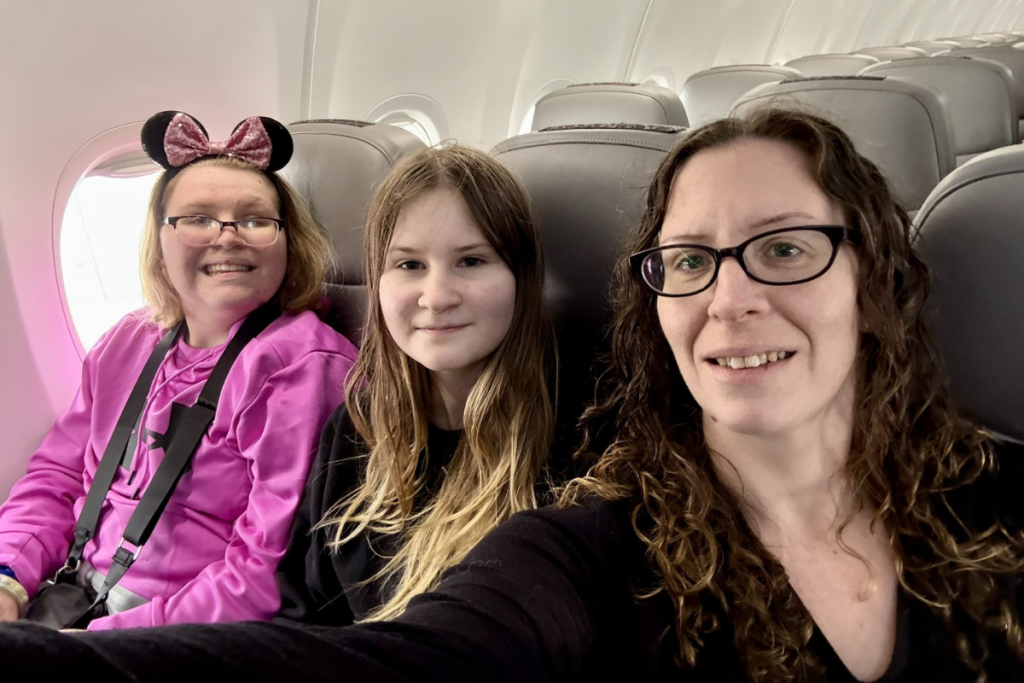
Brie loves to fly, so my flights with her have gone well so far. While she’s usually content playing a game or watching a downloaded show on her iPad, we still bring her sensory kit just in case she needs it.
Hotels/Accommodations Considerations For Autism
Choose The Right Hotel
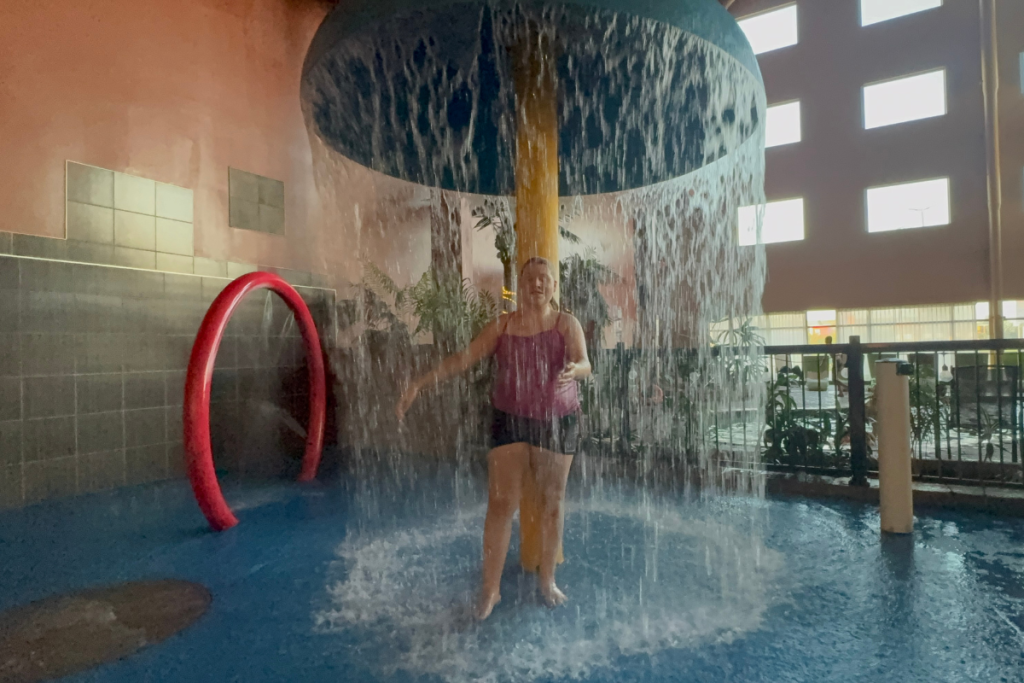
When booking your hotel, look carefully at the amenities, layout, and location to make sure it fits your child’s needs. Watching video tours on YouTube or TikTok can help you get a better feel for the hotel. If your child is sensitive to noise, avoid hotels that are downtown or close to major attractions. If swimming helps your child relax, look for a place with a pool so they can unwind at night.
Read my full guide for more tips on staying in hotels with a child with autism, finding autism-friendly hotels, and other accommodation options that might work better than a hotel.
Request A Quieter Room
If you’re staying in a hotel, ask for a room away from elevators, stairs, and the lobby. A room at the end of the hallway is ideal. While it’s inconvenient to have to walk so far, less guests will be walking by, so it will be quieter.
Consider an Airbnb
For some children, staying in a house works better than a hotel. Especially if you have a lot of extra things to bring, if your child will not be able to sleep in a shared bedroom/space, or you need a full kitchen to cook their safe foods.
Brie has stayed at hotels, Airbnbs, and even a college dorm. The only issue we’ve run into with hotels is other guests being noisy late at night. I still remember one stay at Great Wolf Lodge when she was woken up, and it took hours to get her back to sleep. Despite this, Brie probably prefers hotels still because she loves having a pool.
Planning Meals
Research Food Options
If your child has a restrictive diet, you’re probably already used to checking menus online to make sure there is something they can eat before you go to a new restaurant. When planning your trip, look at the on-site restaurants at your hotel and use Google Maps (or apps like Find Me Gluten Free) to find other nearby options. It’s easier to plan where you’ll eat each day ahead of time (or at least have a list of places in the area) than to try to figure it out on the go.
Plan Meals Ahead of Time
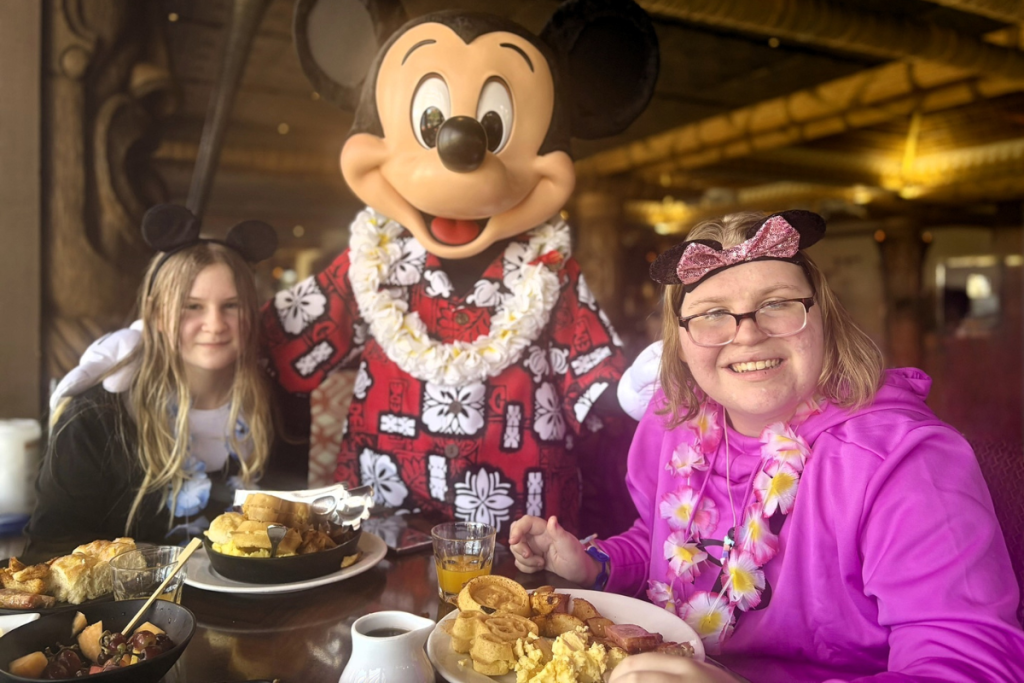
If your child gets overwhelmed with choosing what to eat, show them restaurant menus ahead of time (before leaving the hotel or during a quiet break) so they can choose when they’re calm. On our Disney trip, I would show Brie the online menus while we were at the hotel, on the bus, or taking a break.
Travel Meal Prep Tips
- Pack extra safe snacks for travel days and outings.
- Bring your child’s preferred foods, especially if they’re brand-specific or are something hard to find.
- Check to see if your hotel room has a fridge before planning what you will bring.
- If you will be bringing cold foods, get a plug-in cooler for a long drive or to use in hotels that don’t have a fridge.
- Bring a cooler backpack if you’ll be bringing cold foods on your outings.
- If your child is particular about their meal times, try to stick to their normal schedule.
Planning your Itinerary for Autism Travel
Research Activities and Attractions
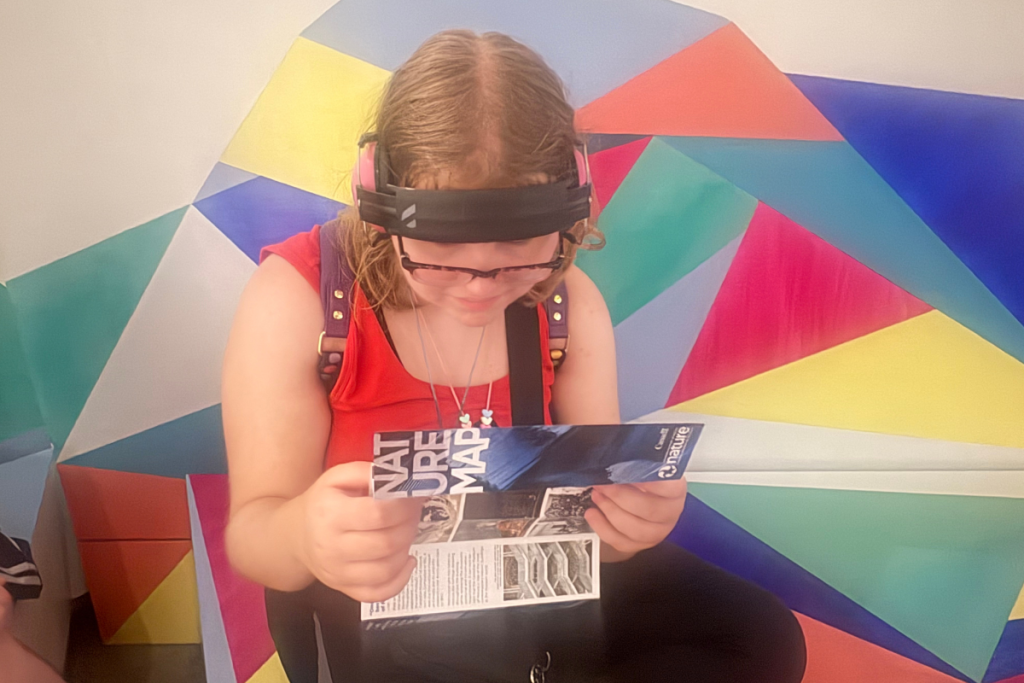
Do a deep dive into everything you’re adding to your itinerary. While some activities may look fun for your child, when you read all the details and watch videos, you may realize some things may trigger your child or it involves activities that are too advanced for your child’s current skill levels.
Plan For Triggers
Know your child’s triggers (see the Prepare Your Child section below for tips) and plan for any possible triggers at your planned destination/attractions. Bring items to help reduce sensory overload, like headphones or earplugs, and have an exit plan in case it becomes too much.
Consider Slow Travel
Slow travel focuses on exploring at a relaxed pace rather than rushing through a packed itinerary. For autism travel, this strategy can prevent sensory overload and reduce anxiety by giving you time for breaks and rest days. At least, plan an extra day or two for longer trips so you can spread out activities and give your child time to recharge.
Stick To Routines
Follow your child’s usual routine as much as possible. Try to eat meals and snacks when they normally would, stay consistent with nap and bed times, follow their normal bedtime routine (bath, story, etc), and try to keep your mornings the same as they are at home. This may mean ending a day out earlier than you’d like or taking a midday break, but planning around their routines makes the trip easier for everyone.
Plan For Extra Time
It’s hard to know exactly how long you’ll need at an attraction. Reviews can give you a general idea, but with an autistic child, plan for extra time. They may need breaks or just want to explore at their own pace. If most people spend about two hours at a zoo or museum, give yourself three.
Keep Days Short
Avoid long days. Trying to do too much can be overwhelming for a child with autism. Start your mornings slow, and plan to head back to the hotel a few hours before bedtime so your child has time to relax with their iPad or watch TV.
On our last Disney trip, I planned to be at the Parks from open to close. This didn’t work for Brie, and we ended up leaving early most days. On our East Coast trip, I learned my lesson. We didn’t head out until around 8:00 or 9:00 most mornings, and we made sure to be back before her bedtime.
Plan Breaks
Avoid busy, overwhelming days. Don’t fill your day with as much as possible. Plan for some downtime between activities— go back to the hotel for a break, find quiet spots at museums, get a snack at a café during non-peak times, or alternate intense attractions with more relaxing ones.
Plan Active Play
Downtime is important, but so is burning off energy. If your plans include shows or quieter attractions, add in time for active play. Stopping at a park, a trampoline place, or an indoor play area before or between stops works well.
Be Flexible
Follow your child’s lead, even if it means changing your plans. If they’re really enjoying an attraction, stay longer and skip what’s next. If they’ve had enough sooner than expected, head back to the hotel to rest.
Prioritize Must-Do Activities
You never know how the day will go. Your child may get overwhelmed and need a midday break or to go back to the hotel earlier than expected. Figure out which attractions and activities are most important to you and your family, and schedule those first.
For Disney, I made sure we got on all of our must-do rides in the morning or early afternoon. When Brie didn’t want to stay late, it wasn’t a problem since we had already done everything each of us really wanted to do.
Bring an Extra Adult
Having another adult with you can be a lot of help when traveling with an autistic child, especially if you have more than one child or want to do activities your autistic child might not enjoy. Bring a grandparent, other relative, friend, or babysitter if you can. If no one can come along, some hotels offer in-room babysitting, or you can hire a park nanny at places like Disney.
Even when I was married, we often brought my mom on trips (like our first Disney vacation) to have extra help with Brie. I did our last Disney trip alone with the kids, but invited my mom on our East Coast road trip. It worked out perfectly since Zen and I wanted to go kayaking, which Brie couldn’t safely do because of her balance and motor skills.
Arrive Early
For timed events or attractions, get there early so you’re not rushing. If you’re coming from a longer distance, aim to arrive an hour ahead and use the extra time for a snack or quick break. For airports, get there at least 30 minutes before the recommended time, this will also help you grab the more ideal seats in the terminal.
Have Your Plan Written Out
Once you have your daily itineraries planned, figure out how you want to keep them handy during your trip. Usually, a note on your phone will work, but if you’re the type that prefers a hard copy, you can write it in a small notebook or print it off.
I usually print a copy of my itinerary with each day on its own page so Brie can see the plan before we head out each day. I also keep a digital version on my phone to refer to throughout the day and make adjustments as needed.
Bring a Visual Schedule
If your child can read, your written schedule will work fine. For kids who can’t read or need visuals, make a small schedule with pictures of the places you’ll be visiting so they know what’s coming.
Acknowledge and Reward Good Behavior
The best way to encourage positive behavior is to reinforce it when it happens. Notice what your child is doing well (like waiting patiently, following rules, or listening) and tell them specifically. If they use a reinforcement system at home, like a sticker chart or earning iPad time, keep it going on your trip.
Preparing Your Autistic Child for Vacation
Practice First
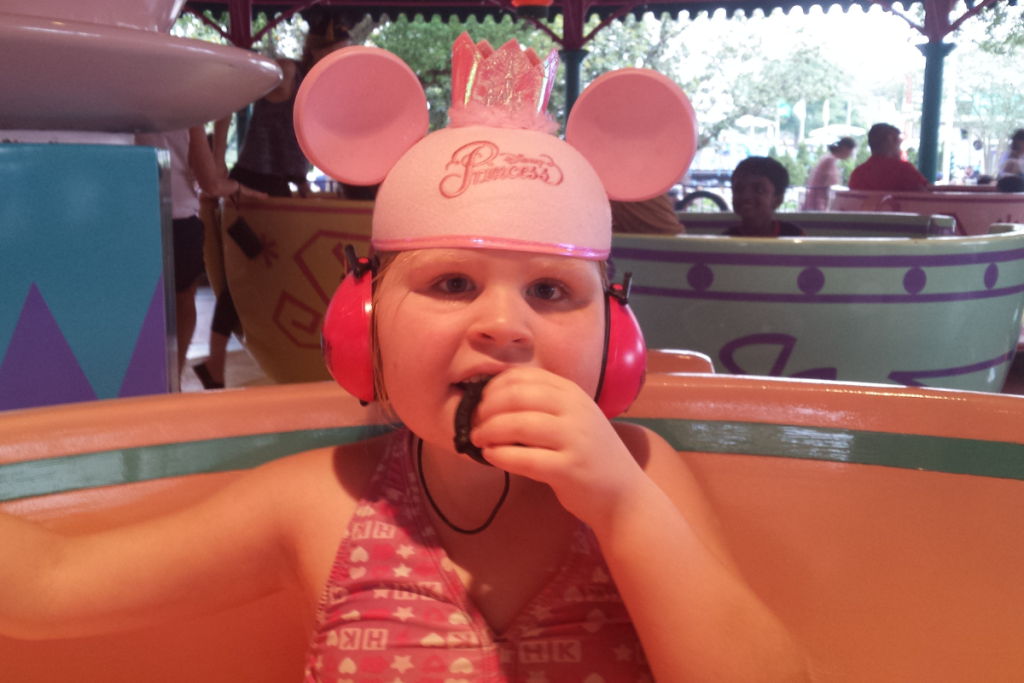
Don’t jump right into a two-week road trip for your child’s first vacation. Start by doing some practice runs with transportation, activities, day trips, and an overnight stay, so you can identify any triggers and see what your child’s tolerance level is first.
- Transportation: Practice riding the subway or a local bus to see how your child handles public transportation. If it goes well, try a day trip with a short train ride to see how they do on a longer ride. Gradually increase driving time before attempting a long road trip.
- Activities: Start small by going to local movie theaters to see how long your child can sit through entertainment if your travel plans include watching shows. Take them to smaller local museums and art galleries to see if it holds their attention. If you plan on going to a large amusement park, start with local fairs and festivals to see how they handle the sounds and waiting in line. Take them to local events to see what level of crowd they can tolerate and how long they last in a busy environment.
- Day trips: Start with single attraction outings, slowly increasing the length of your outings to see how long your child can handle being out.
- Hotels: Book a night at a hotel in your own city or town to see how they handle sleeping in a different place and the changes to their usual bedtime and morning routines. If you’re child handles an overnight trip fine, do a weekend next time, then a few days, then a week.
Brie’s travels started of with small overnight trips to see family, then weekends in Niagara Falls or Toronto. We went to a smaller indoor waterpark before trying a stay at Great Wolf Lodge or Kalahari. Our first big trip was to Sesame Place, and when that went well I knew she’d be fine for a week at Disney.
Include Your Child in Planning
If your child enjoys researching, let them help you with the planning. Have them sit with you while you’re looking online so they can choose things they’d like to do.
Social Stories
These autism travel social stories can help prepare your child so they know what to expect:
For social stories for the specific destinations and attractions you’ll visit, check their website to see if they have any available to download. If they don’t, find pictures online to make your own.
Virtual Tours
Let your child virtually explore the places you will be visiting before the trip. You can walk around the hotel virtually with Google Street View, or watch video tours of hotel lobbies and rooms, ride POV’s, and walkthroughs of museums, parks, or other attractions on YouTube.
Brie and I watched POV’s of every ride at Magic Kingdom, and used Street View to do a virtual walk around Magic Kingdom before our first Disney trip. Not only did this help her know what to expect, but it also helped me to learn the layout of the park so I knew my way around once we got there.
Do a Countdown
A visual countdown to the trip can help your child feel less anxious about it. You can find some unique and fun ways to do a countdown here, or just mark it on a calendar and let your child cross off the days leading up to the trip.
Role Play
Practice scenarios at home. Turn your living room into an airport or airplane, your kitchen into a restaurant, and a bedroom into a hotel room to simulate what your child will experience on the trip.
Packing for your Autistic Child
Start Writing Your Packing List Early
Start your packing list a few weeks before your trip and keep it handy so you can add things as you think of them. As you go through your child’s morning and bedtime routines, add anything you use to the list. Include items they sleep with, any of their favorites if they’re particular about things like cups or plates, and anything that could trigger a meltdown if it’s forgotten.
Bring A Day Bag for Your Outings
Don’t forget a day bag with anything you may need while you’re out—umbrellas, packable raincoats, handheld fans, mini first aid kits, portable chargers, extra snacks, and water or juice boxes. For more ideas, check out what I packed in our day bags for Disney.
Bring A Sensory Kit
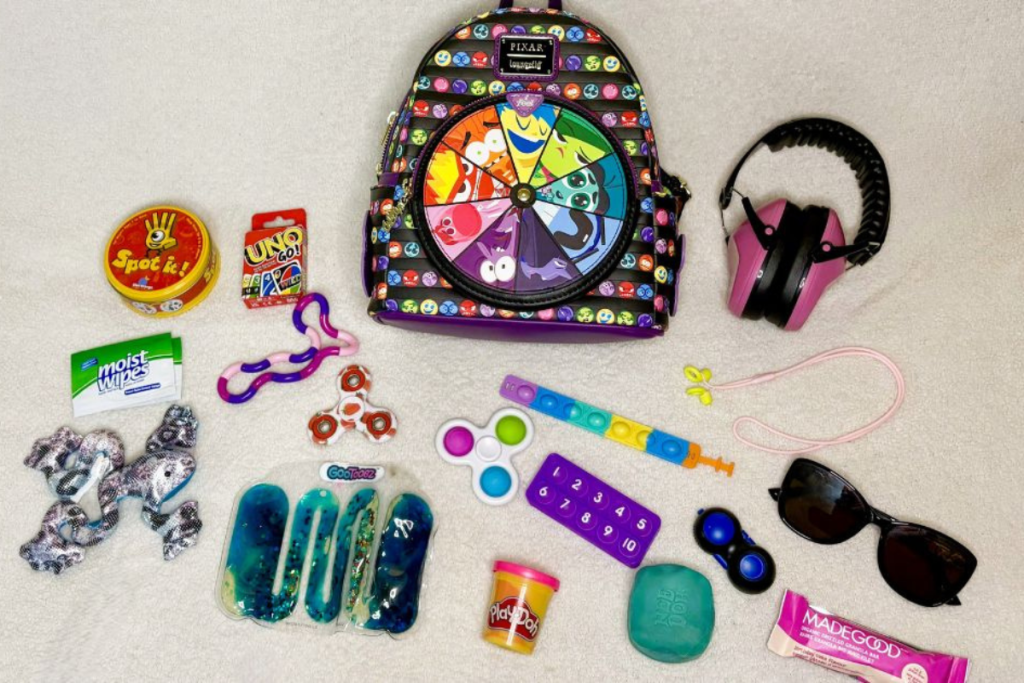
Whether your child is sensory seeking, sensory avoidant, or a mix of both (as most are), bring the things that help calm them when they’re getting overwhelmed or give them the sensory input that they need. Check out our post on autism travel sensory kits for ideas on what to pack in yours.
Bring Familiar Foods
If your child has allergies, food intolerances, or only eats certain foods, make sure to bring enough safe options to last the entire trip. If you’re traveling by car and need to keep food cold, consider buying an electric cooler.
Things to consider packing:
- iPad or tablet
- Portable battery charger
- Charger with enough USB spots for all your devices
- Noise machine
- Portable door alarm (for wanderers)
- Favorite toys or stuffed animals
- Nightlight
- Headphones
- Earplugs
- Chewelry
- Sunglasses
- Weighted lap pad or stuffed animal
- Communication cards
- Reusable water bottle
- Their usual soap/shampoo (if sensitive to scents)
- Over-the-counter medication (like Tylenol, Benadryl, Gravol, etc.)
- Mini first aid kit and thermometer
- Umbrellas
- Raincoats
- Mist Fan
Over the years, I’ve gone on trips forgetting essentials like bathing suits or melatonin. Now I keep a master packing list on my computer so I can quickly make a list for each trip. When Brie was younger, I used to bring the electric cooler so we didn’t have to stress about finding gluten and dairy-free food—but now it’s much easier to find safe options while traveling.
Traveling with Autistic Flight Risks
Designate the Supervisor
Autism travel is even trickier if your child is a flight risk. To keep them safe, plan who will provide one-on-one supervision and make sure there’s a verbal acknowledgment before leaving the hotel room—and again whenever the supervisor changes. This avoids any confusion or assumptions about who’s watching them.
I learned the importance of this the hard way. Years ago, we were at an Easter egg hunt at a local park. Brie was dancing with her dad while I talked to my sister. When I looked back, she was gone. His response? “I thought you were watching her.” Luckily, we found her quickly, but ever since, I always confirm verbally whenever someone else is watching her.
Get Portable Door Alarms
Door alarms are essential if your child is a flight risk. Even with kids who have never wandered out of the house, there is a risk they could, and many incidents end tragically. Luckily, they make portable alarms that are easy to use on a hotel room door. Brie has never tried to leave at night, but I always make sure the door alarm is set before going to sleep.
Buy a Tracking Device
If your child doesn’t already have one, get a tracking device like an AirTag, Tile, or Smart Tag . If they can tolerate wearing jewelry, you can put it in a bracelet or necklace. Otherwise, hide it in a shoe insoles or hidden AirTag pockets. Brie wears an AirTag whenever we’re in busy or crowded places. On our last trip, she knew to put it on each morning when getting dressed.
Bring or Rent a Wagon/Stroller/Wheelchair:
Pack a stroller for smaller kids or a wagon for older ones. For teens and adults, you can rent a wheelchair at parks and museums. It gives your child a safe place to sit, helps prevent sensory overload, and reduces physical fatigue.
At 17, Brie was way too big for a stroller, so I rented a wheelchair for her at Disney. It was one of the smartest choices I made—being able to sit instead of struggling to navigate through crowds made the day so much easier for her and helped her avoid sensory overload so she could keep going.
Pack a Harness
If a stroller, wagon, or wheelchair isn’t an option for your child, pack a safety harnesses, wrist leash, or waist leash to use in crowded areas. For older kids or teens, you can use two handsfree dog leashes and link them together. Another option is a belt bag/crossbody bag, which is what Brie uses; it gives me something to hold only when we’re in a crowded area.
Pack Bright Colors
Pack your child bright colors for days you’ll be in busier areas—neon green, yellow, orange, or hot pink make them easy to spot in a crowd. Brie has a few bright shirts, and I always make sure she wears one whenever we’re heading somewhere crowded.
Take a Picture Every Morning
When your child is dressed for the day, take a quick photo so you have something that shows what they’re wearing that day, just in case they get separated from you.
Service Dogs
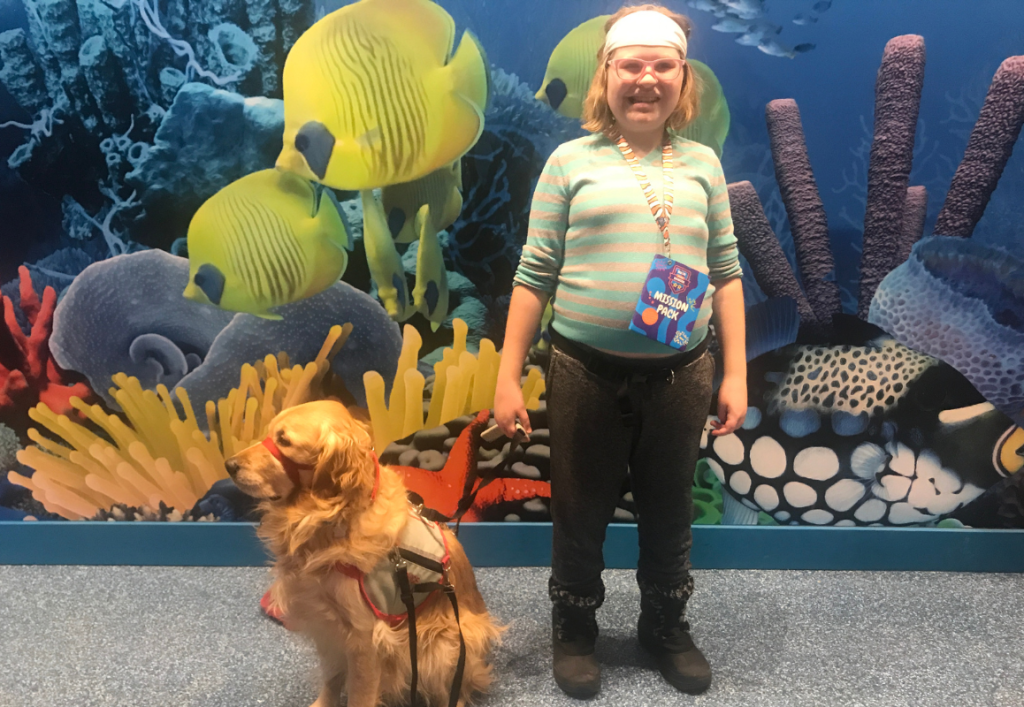
If your child has a service dog, check local laws before you travel so you know what’s required. Most places don’t ask for documentation, but some countries, provinces, or states may require a doctor’s note confirming your child’s need for a service dog or certification that shows the dog has passed a public access test. If you’re traveling internationally, look into the entry requirements for bringing a dog into that country. We’ve never had any issues bringing Brie’s service dog to hotels or attractions, but I haven’t taken him to the U.S. since the rules changed in 2024.
Is Traveling Good for an Autistic Child?
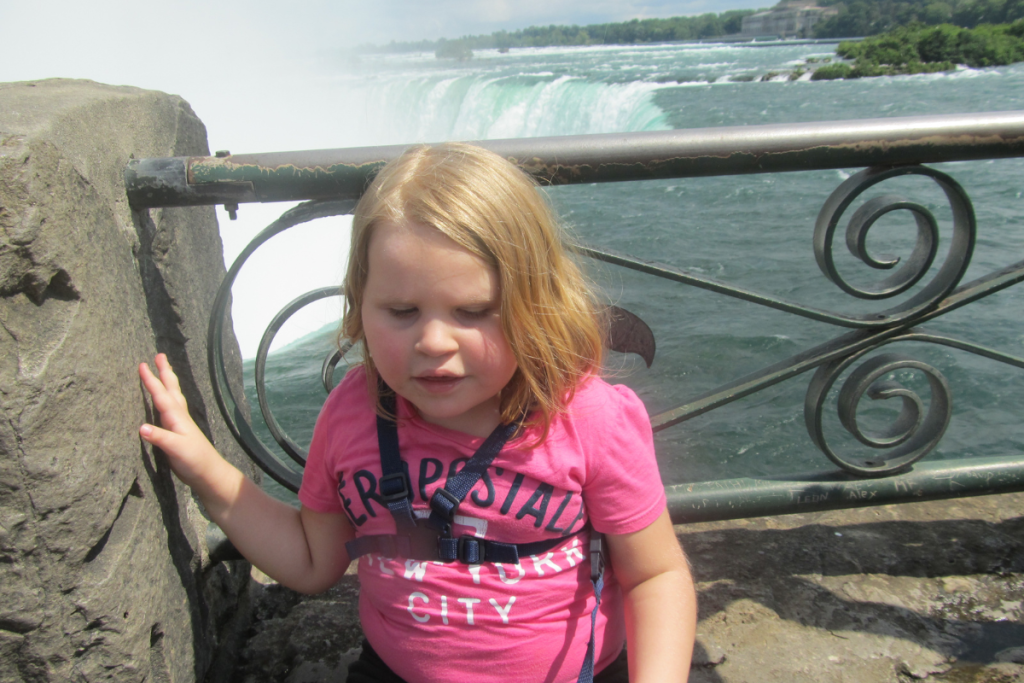
While autistic people typically thrive on routine and keeping things the same, travel gives them a unique opportunity for new experiences. It’s far easier to find attractions that fit their particular interests and activities that are at their personal skill level when you look beyond your own backyard.
While traveling with autism can be stressful at times, when you put effort into planning an itinerary that’s tailored to your child, it’s an incredibly rewarding experience. With the right preparation, your child can enjoy experiences they might never have at home. Every autistic child is different, so what works for one may not work for another. That’s why sharing tips, tricks, and experiences is so valuable. Join our Autism on Vacation Facebook group to connect with other families, read more strategies, and share your own autism travel tips.
And don’t forget to follow our Facebook page or TikTok for more tips from us, and see when we post new reviews of autism friendly events, attractions and hotels.
You may also like:
- Tips for Traveling with Autism: Road Trips
- Travel Sensory Kit for Autism
- Finding Autism Friendly Hotels
Find more travel Inspiration: